
Are you personally ready for wildfires?
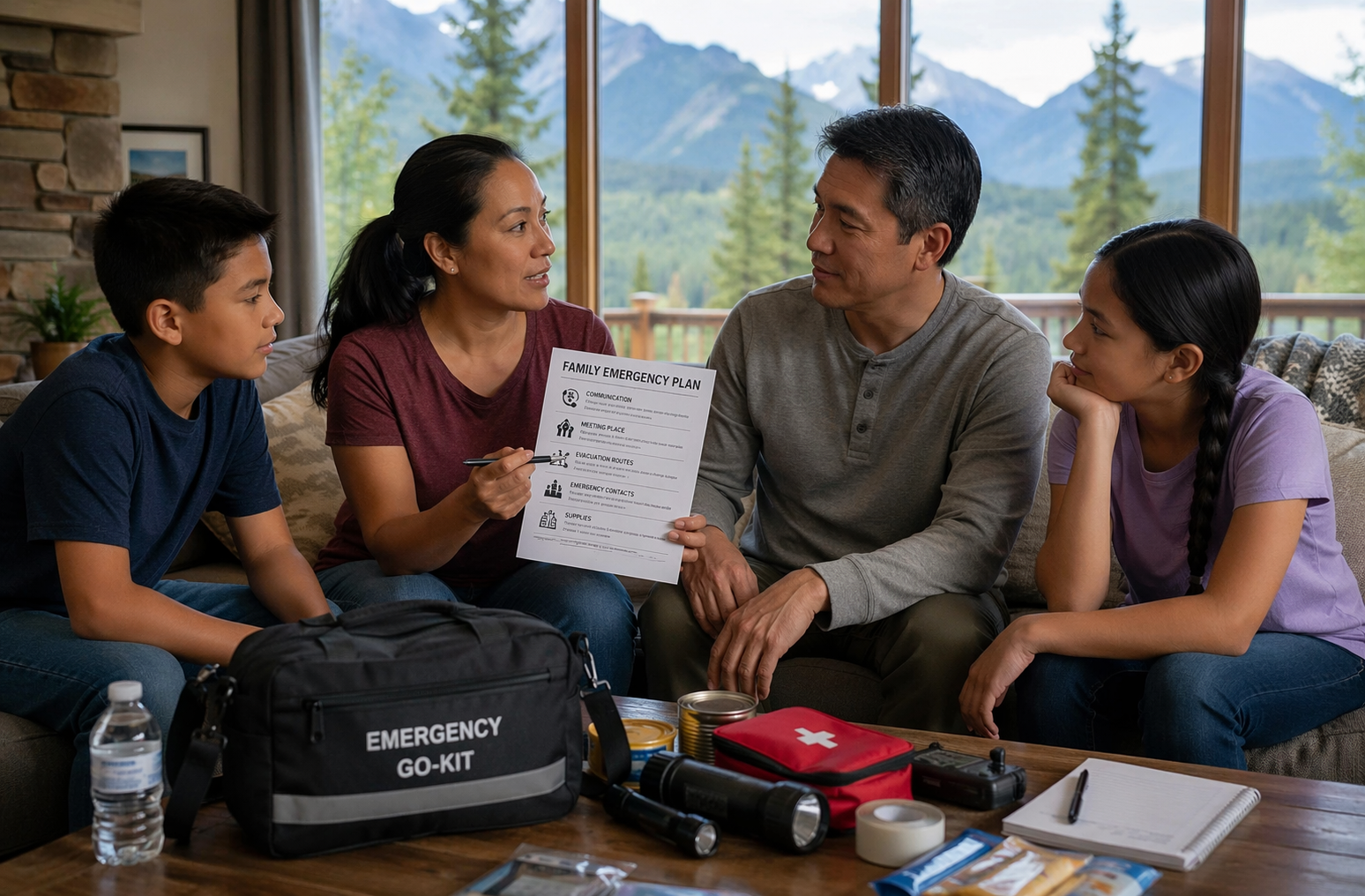
Wildfire risk is high this year in Colorado and Montana. For caregivers, that can create extra stress. You may be helping patients, covering a shift, or staying at work longer than planned during a wildfire or other incident. That is why personal preparedness matters. If you make a plan before a natural disaster strikes, you can protect your home, support your loved ones, and focus more clearly on the people who need your care.
Start with a simple personal emergency plan. Here are some helpful resources:
You may want to think through these questions now:
Who will care for your children, older adults, pets, or others who depend on you if you are required to stay at work?
Do the people close to you know your work schedule could change during an emergency?
Do you have a go-bag ready with medications, chargers, copies of important papers, extra clothes, food, and water?
If you must leave home quickly, do you know where you will go and what route you will take?
Have you talked with neighbors, family, coworkers, or friends who could help if you are on shift when conditions change?
Talk through potential scenarios with your manager. For example:
Do you have any special circumstances (health conditions, caretaking responsibilities, transportation issues) that your manager should be aware of in case a disaster affects your care site or your home?
What are the expectations for your role if the community around your care site is affected by a wildfire or other natural disaster?
What are the procedures for patient care on your unit if your care site needs to be evacuated?
Where are you expected to go – and how will you get there – if your care site needs to be evacuated?
It’s also important to set up notifications so you’re aware of emergencies where you live, work, and have loved ones.
Sign up for emergency alerts from your local city or county.
Intermountain Health uses Everbridge to send out notifications via text, email, and/or computer pop-up about emergencies affecting care sites. Make sure to register for alerts at each care site you work at to ensure you receive these notifications.
Being prepared does not mean you have to do everything at once. Start small. Pick one step today, then build from there. A short conversation with your household, a packed bag, or a written backup plan can make a big difference when time is short.
For healthcare professionals like you, personal preparedness isn’t just individual—it directly impacts the readiness of our communities.