Physician indulges in history, food, family on vacation in Italy
By Daniel Zeccola, MD, Emergency Medicine
Our trip to Italy this winter was to spend the holidays with family, including myself, my wife, Rebecca, and my two boys, Luca (age 10) and Vinny (age 7). My sister, Patricia, and her husband and two kids live in Bologna, and my parents have been spending the winter in Italy. We flew from Denver to Bologna the day after Christmas and then took a train up north to the city of Bolzano. It’s in the Dolomites, in the northeast part of Italy, which is in the Sud Tyrol / Alto Adige region. This part of Italy was part of Austria until the end of WW1 and retains much of its Austrian character despite being part of Italy for 100 years. In Bolzano, both Italian and German are spoken, but outside of the city German quickly becomes the first language.
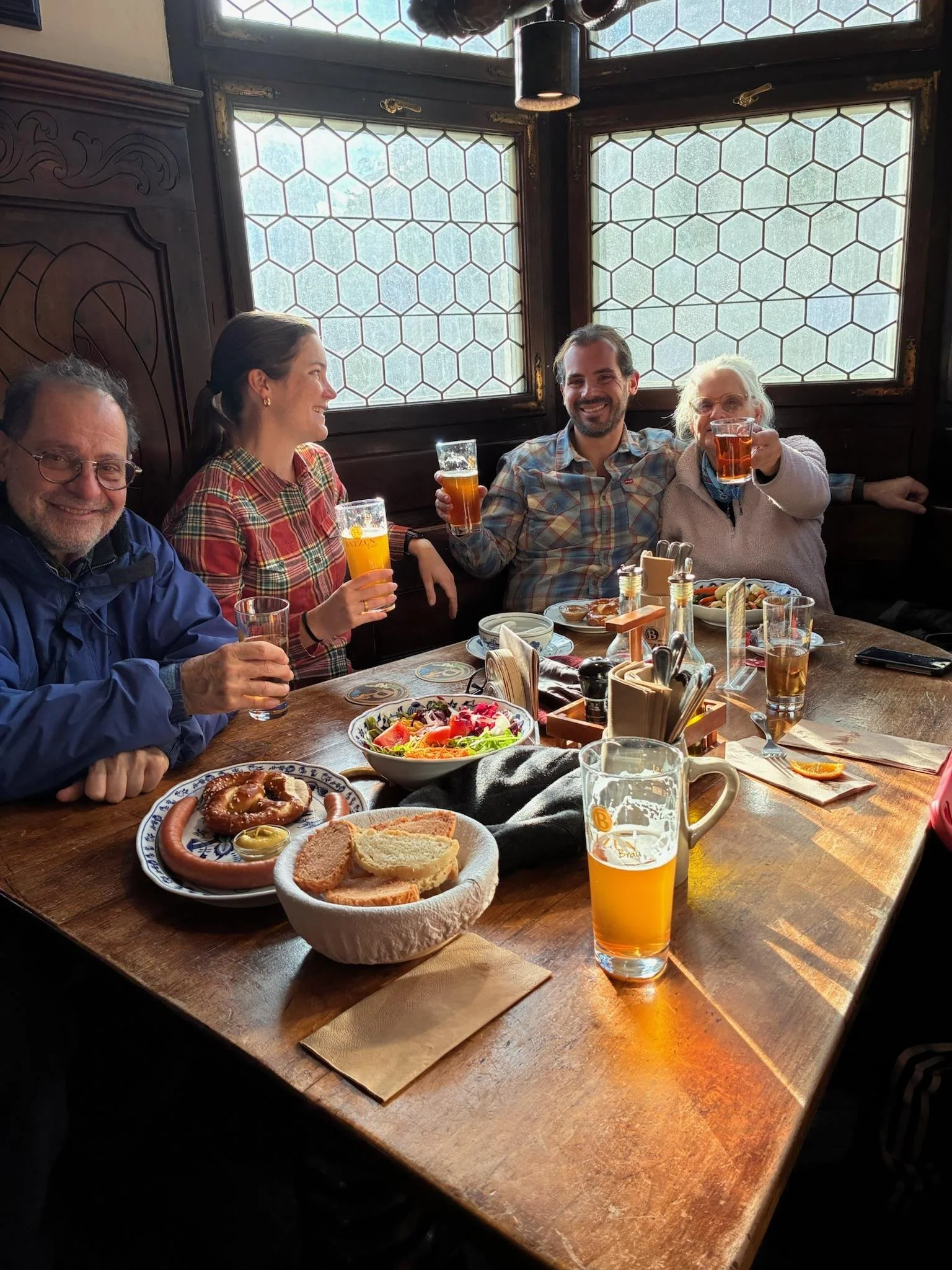
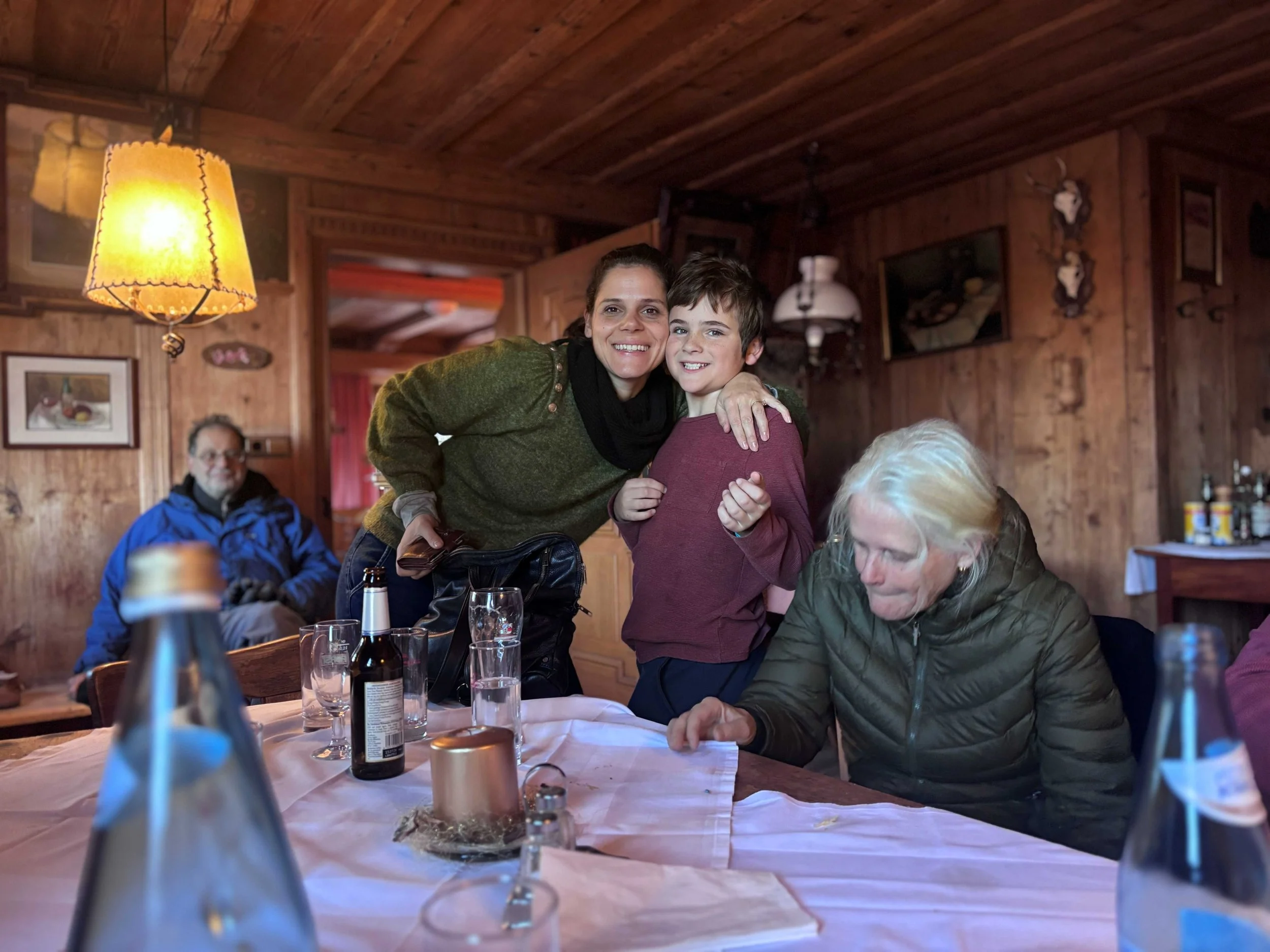
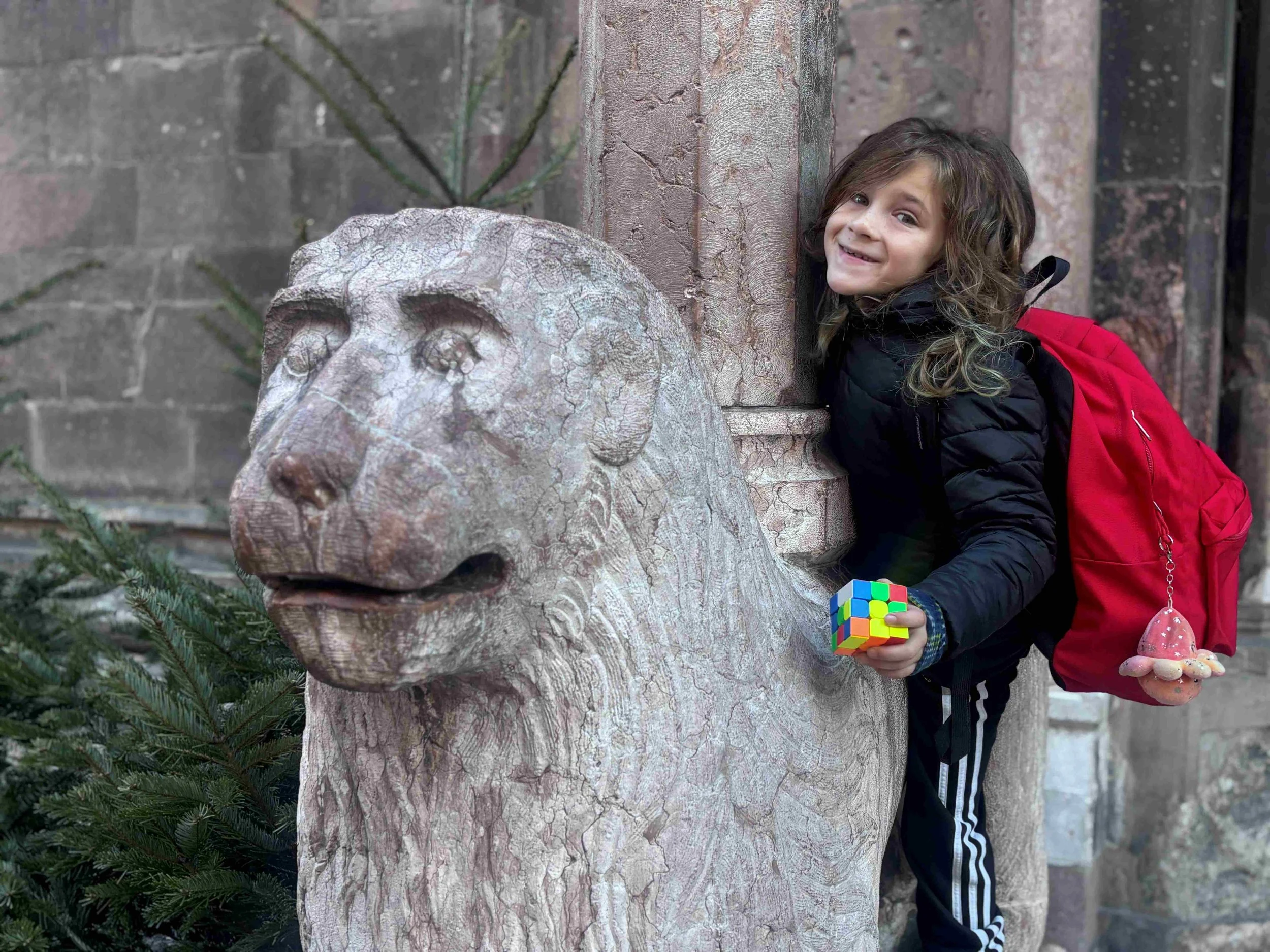
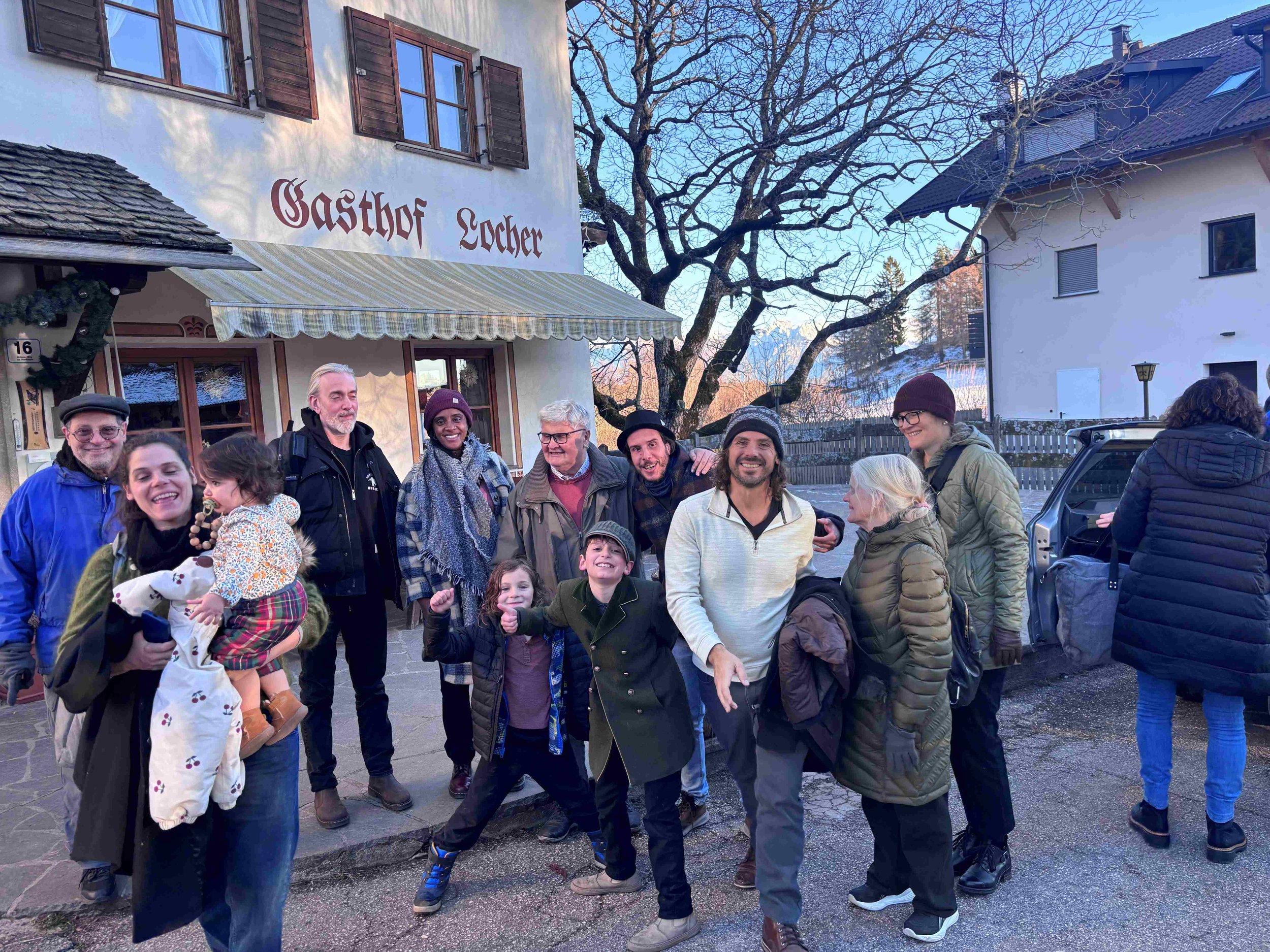
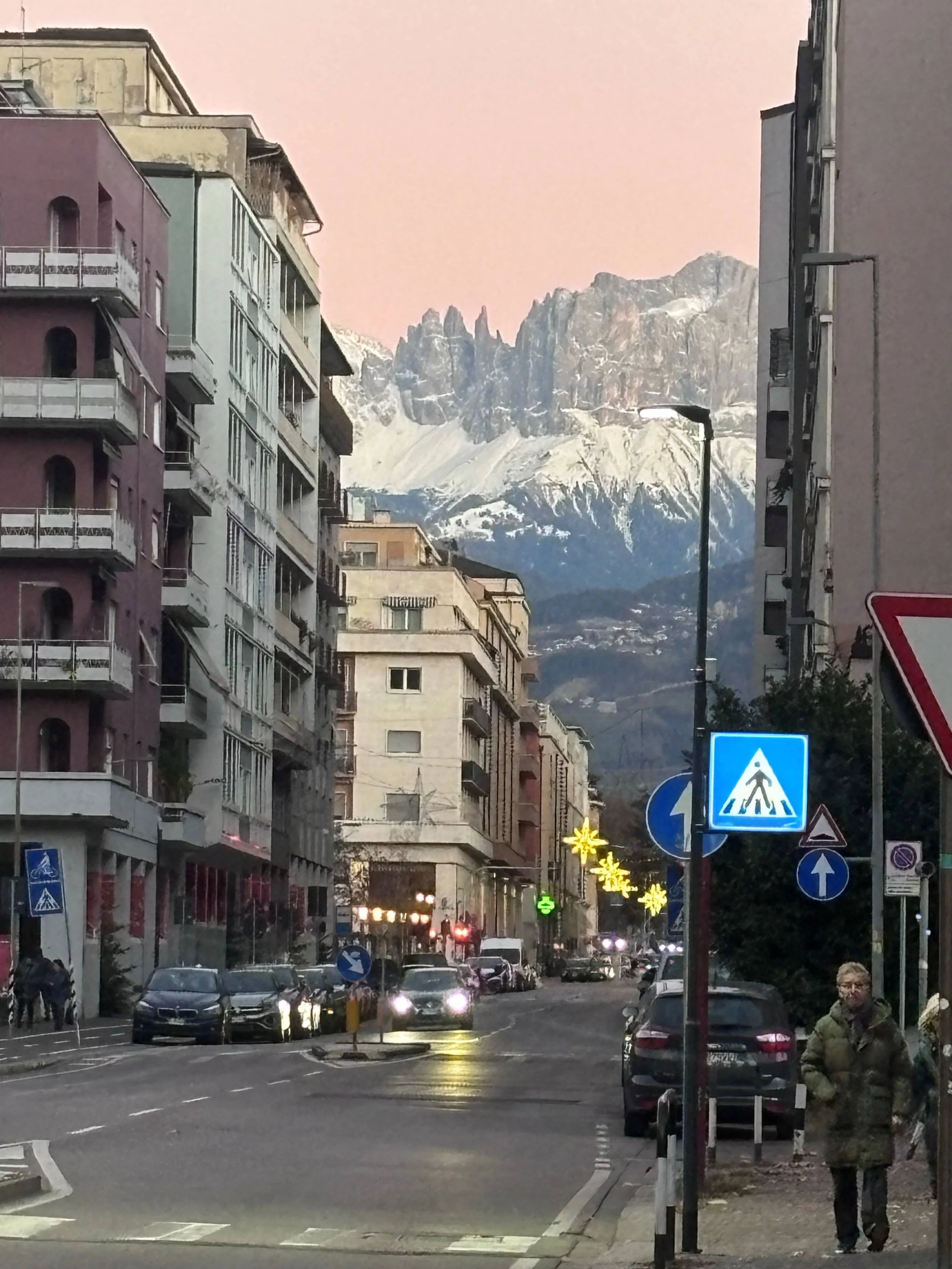
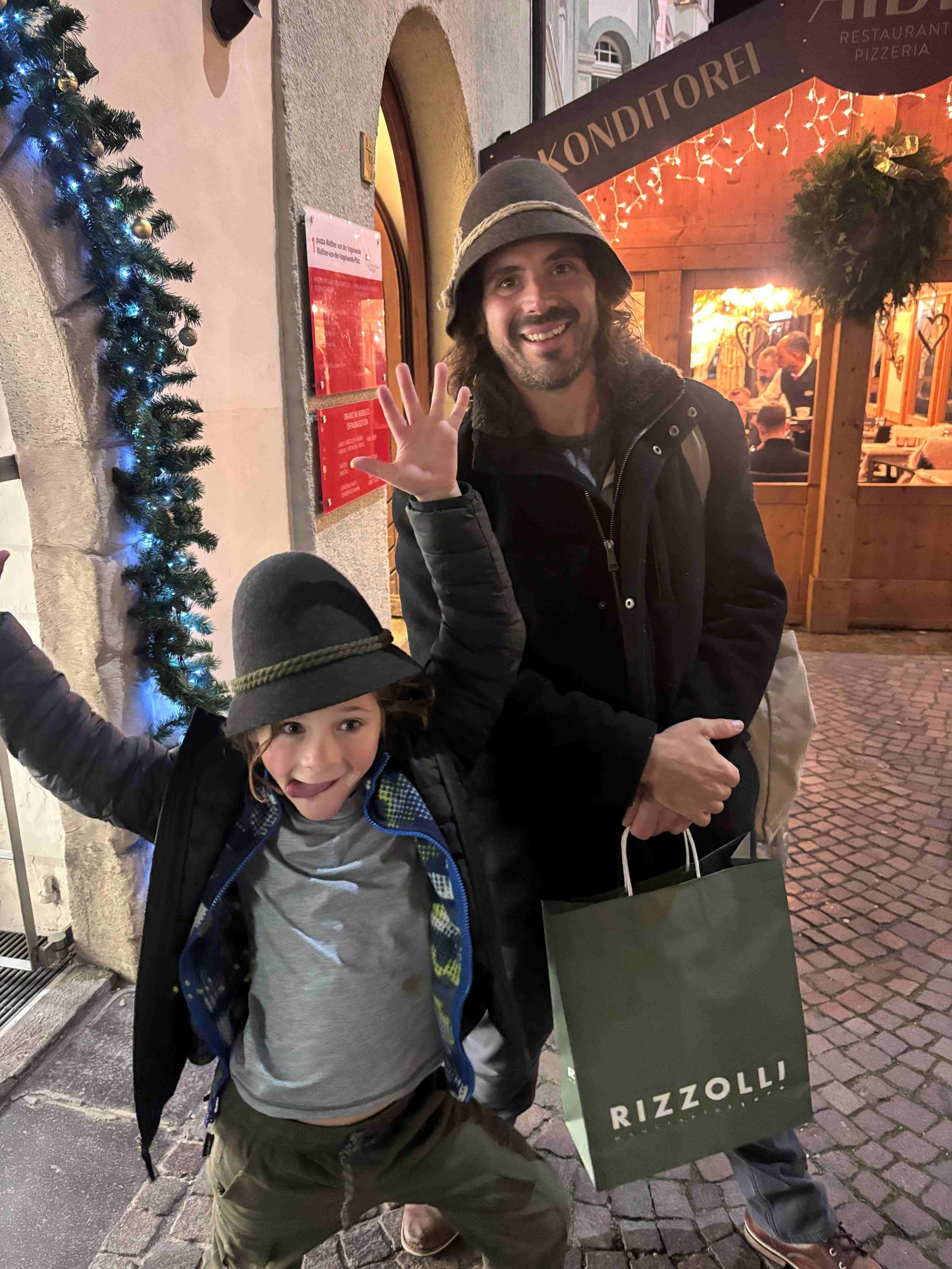
We have a lot of family in the Bolzano area, as my sister's husband grew up partly in Bolzano. We spent a lot of our time with this family, having four-hour lunches at adorable little hotels and restaurants tucked into the mountains. Bolzano is famous for its Christmas markets. The central square of the city is filled with stalls selling mulled wine, meats, cheeses and various perturbations of sausages and pretzels. The famous foods from this area include a smoked version of prosciutto called “speck” and dumplings made from bread and meat (often venison) called “canederli.” Coffee is usually taken with a shot of grappa added to it, called “cafe corretto” (corrected coffee). The city itself is in a river valley but is surrounded by the peaks of the Dolomites. From the downtown area of Bolzano, there are trams and cable cars that will bring you right up from the city into high alpine areas among the dramatic Dolomite peaks.
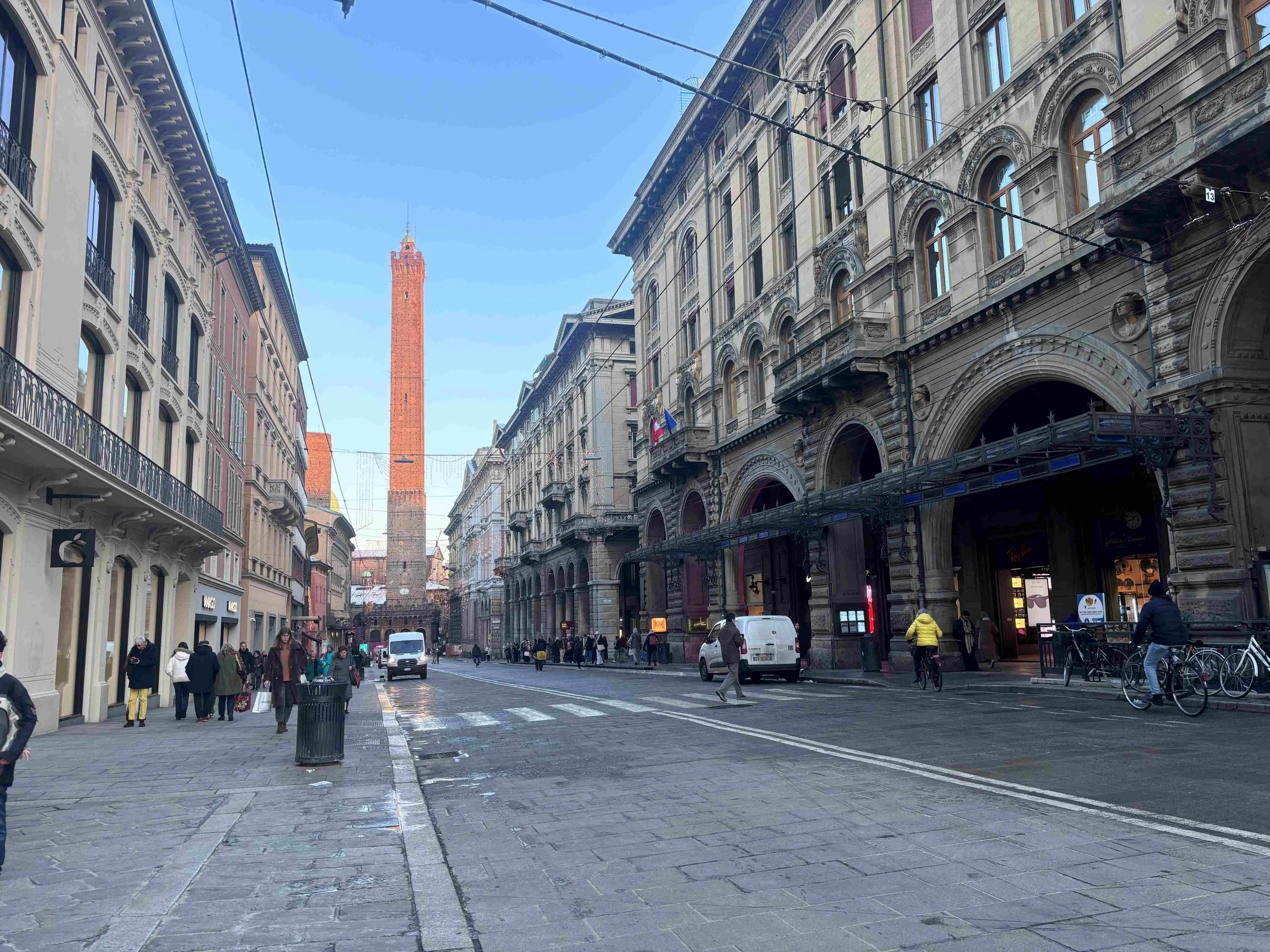
After a week in Bolzano, we returned to Bologna, which is a medieval Italian city very similar to Florence but with fewer crowds. The city is known for its university, which is considered the oldest university in the western world. Much of the history of the field of anatomy and physiology was founded in Bologna, and we were able to tour the anatomy lab from the year 1200 where dissections were done that established much of the knowledge of these fields for the first time. We even got to visit the laboratory of Dr. Valsava!
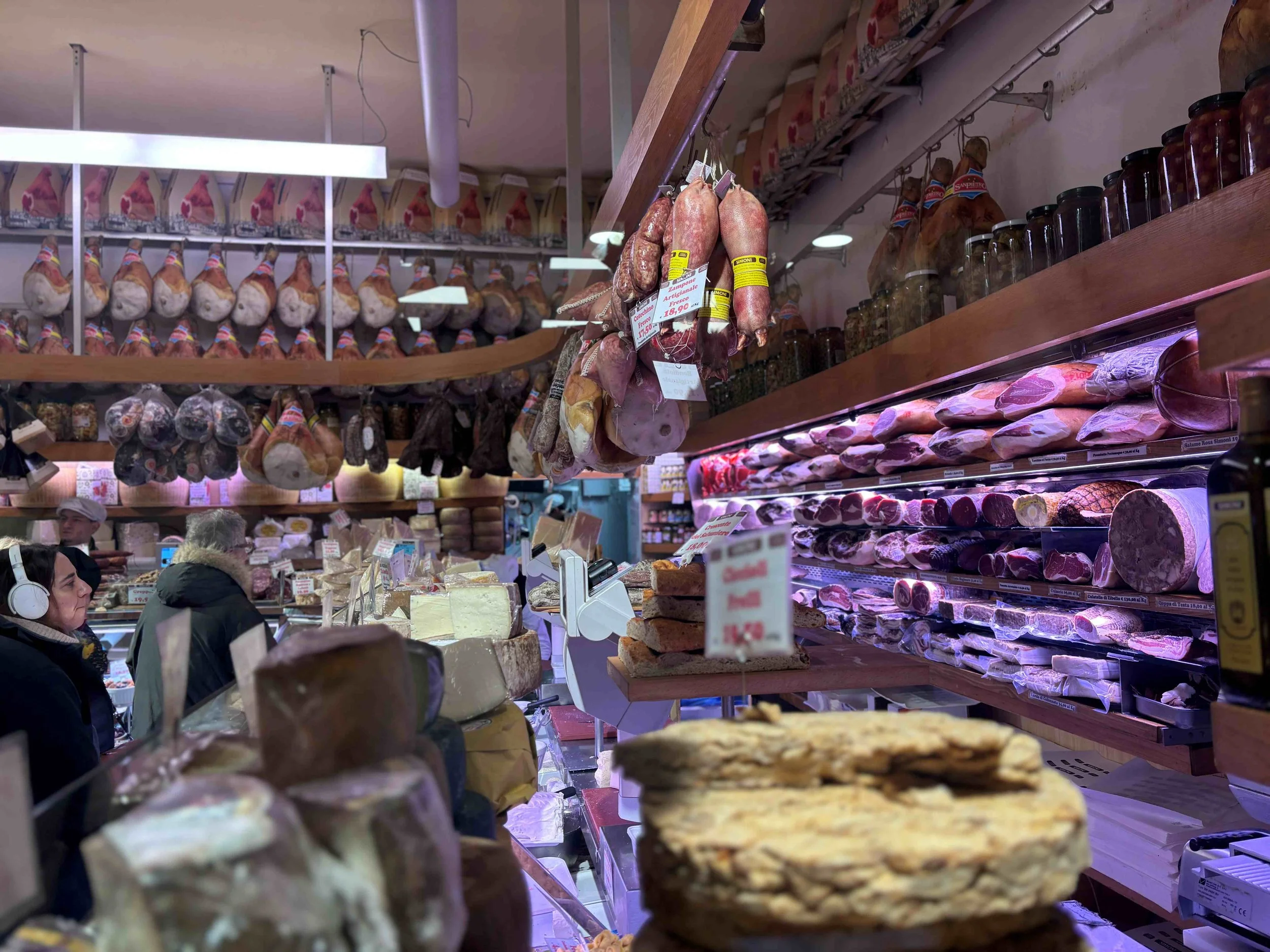
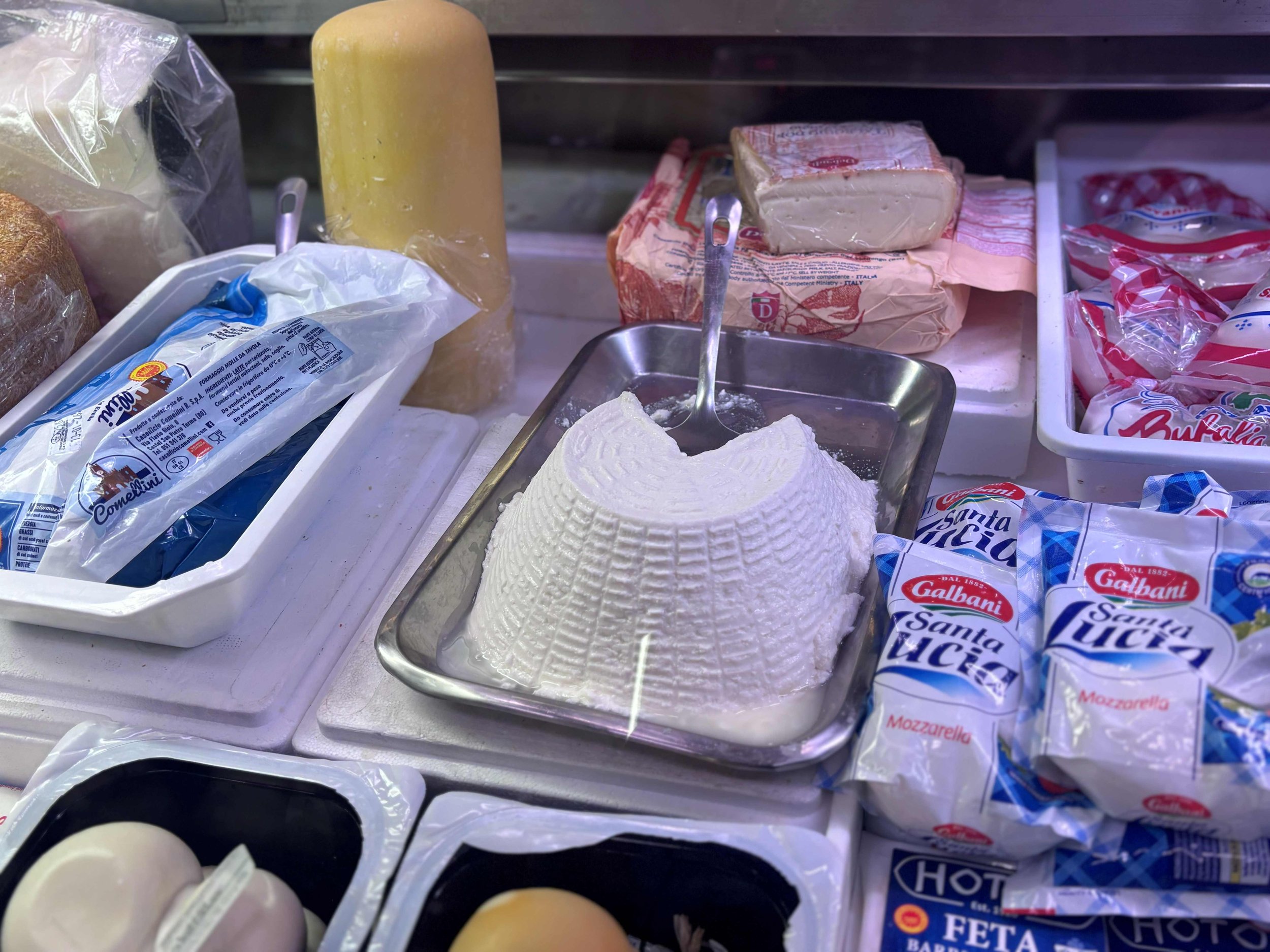
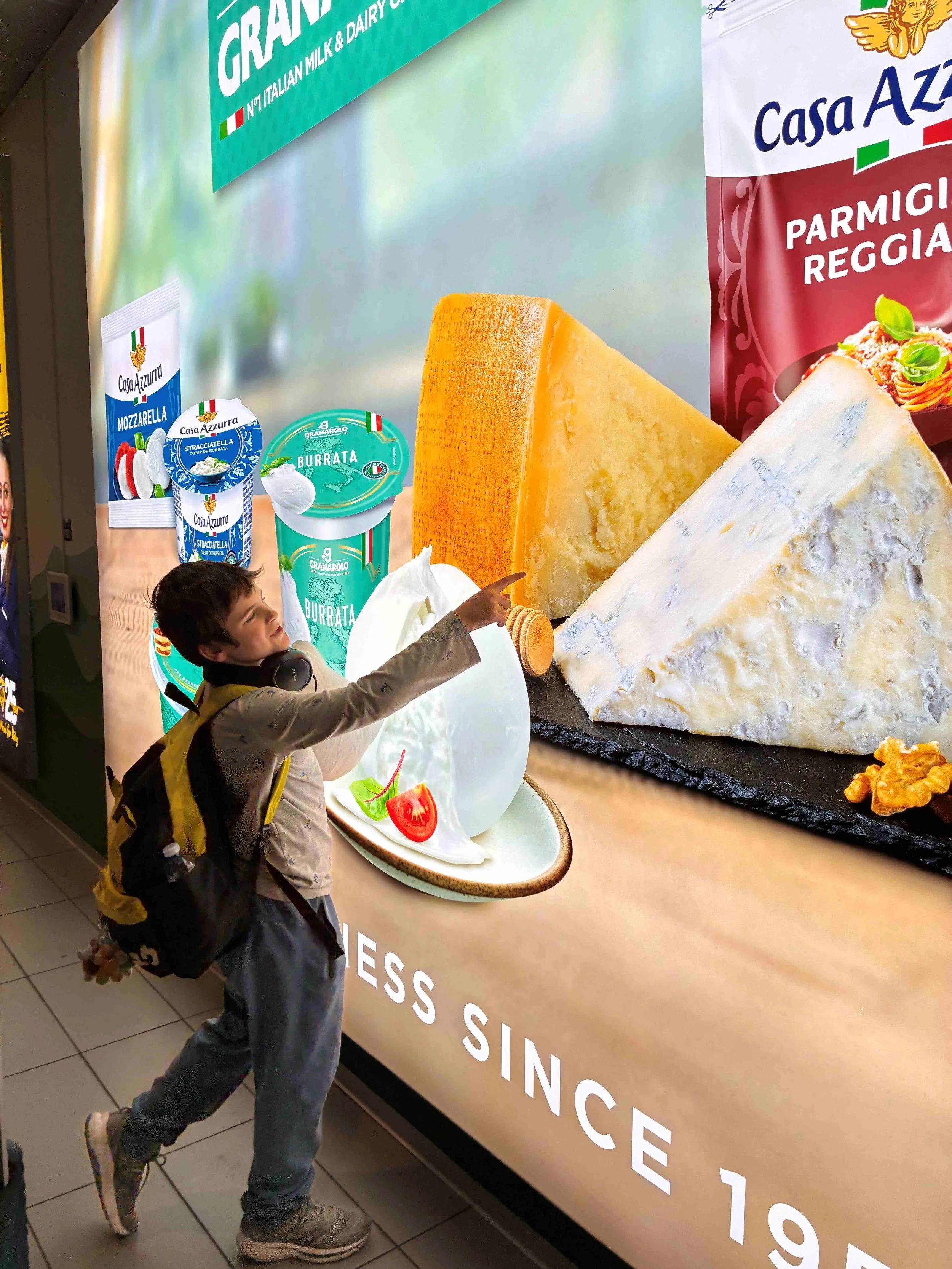
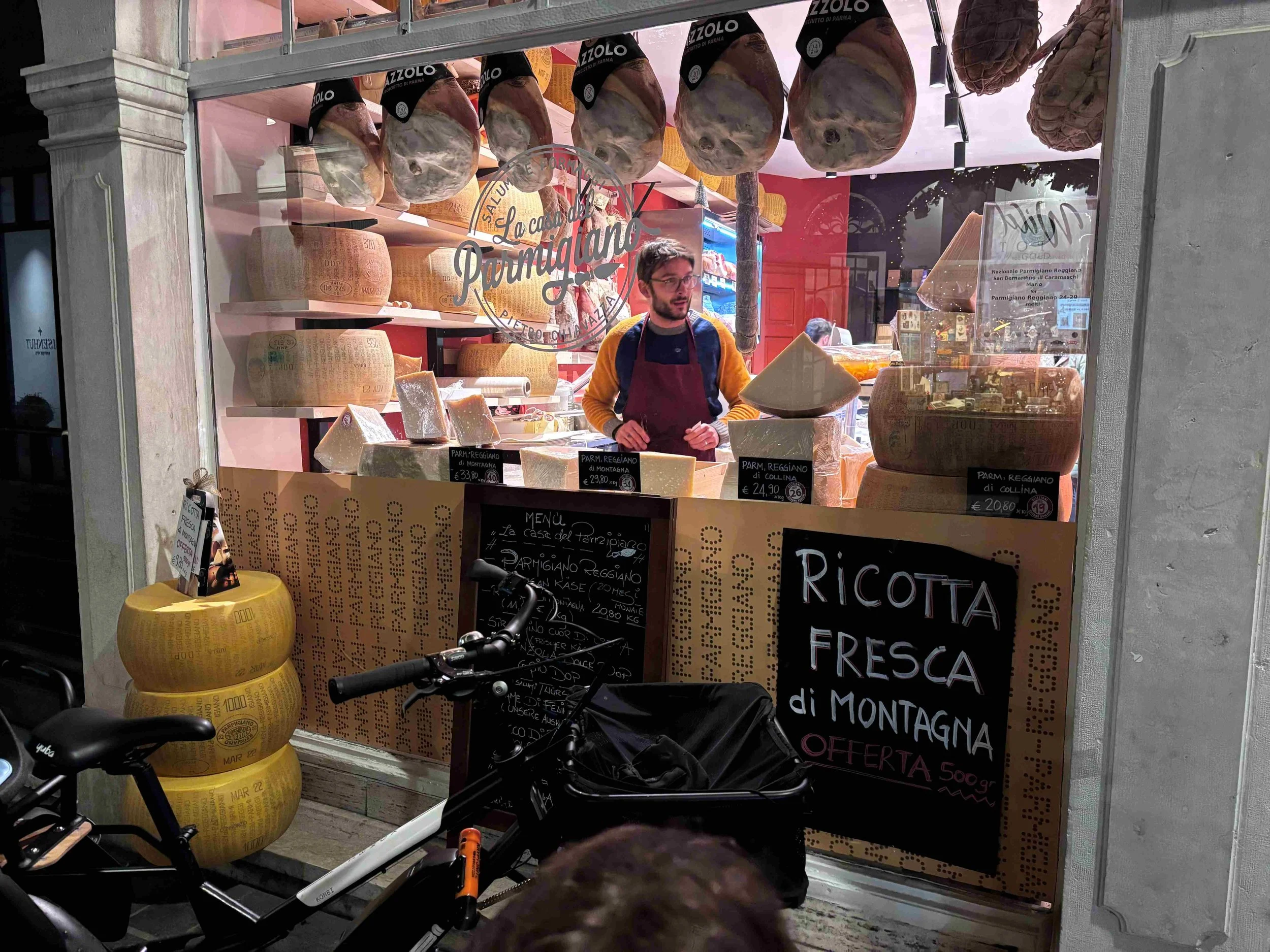
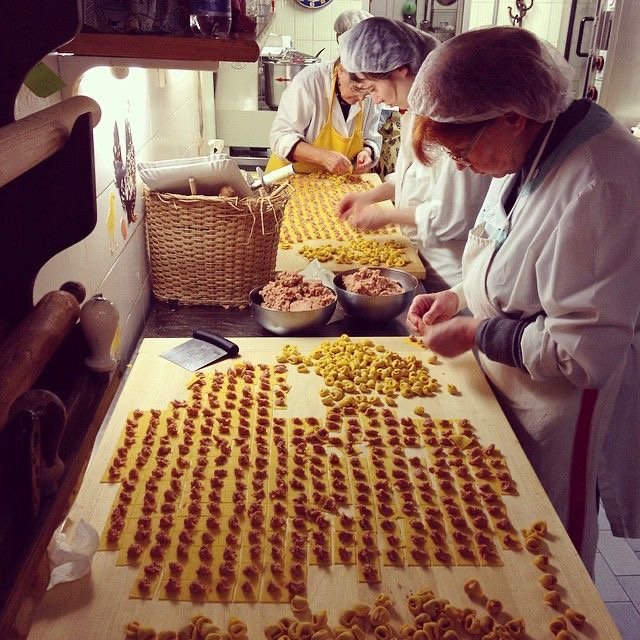
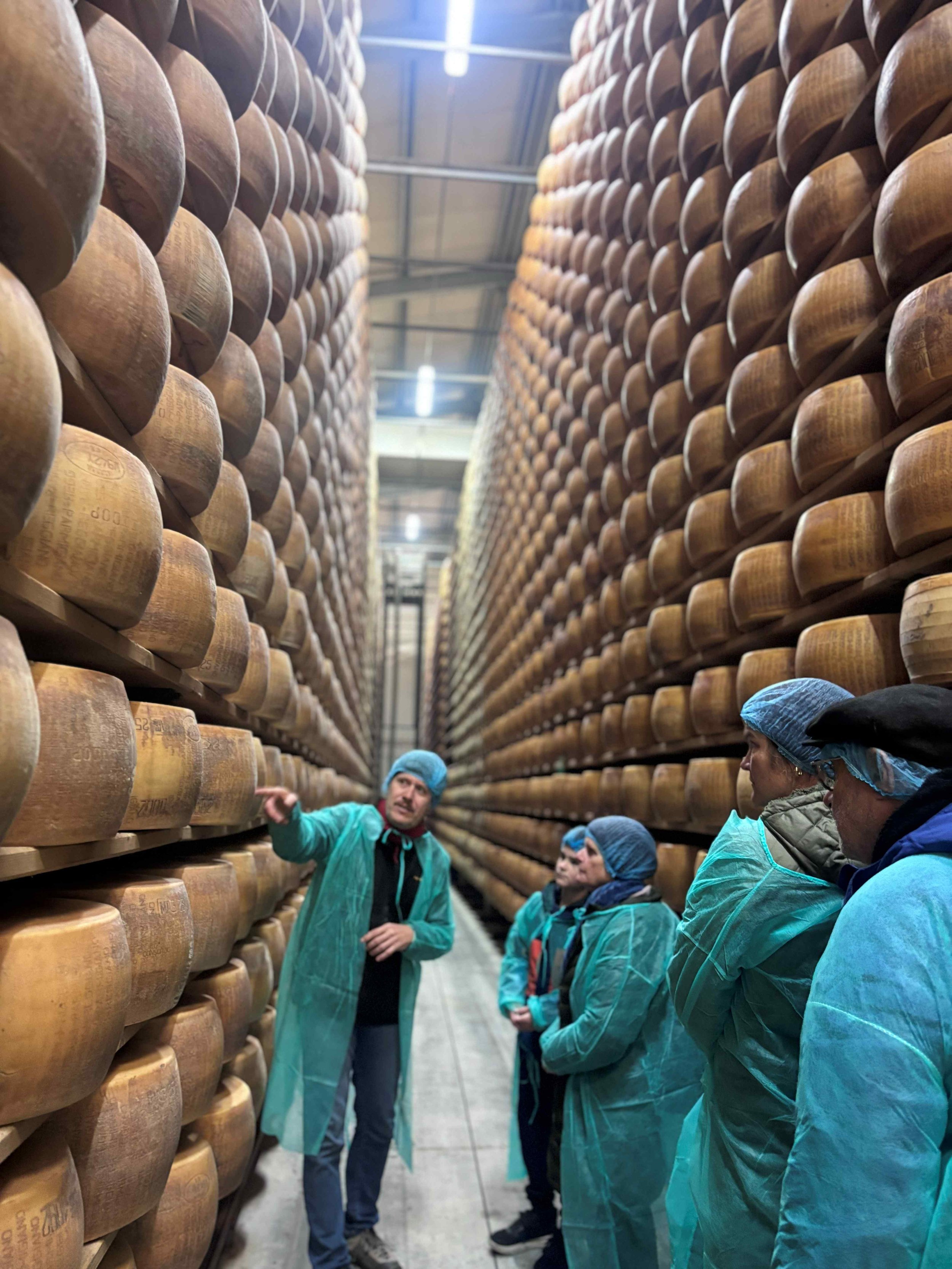
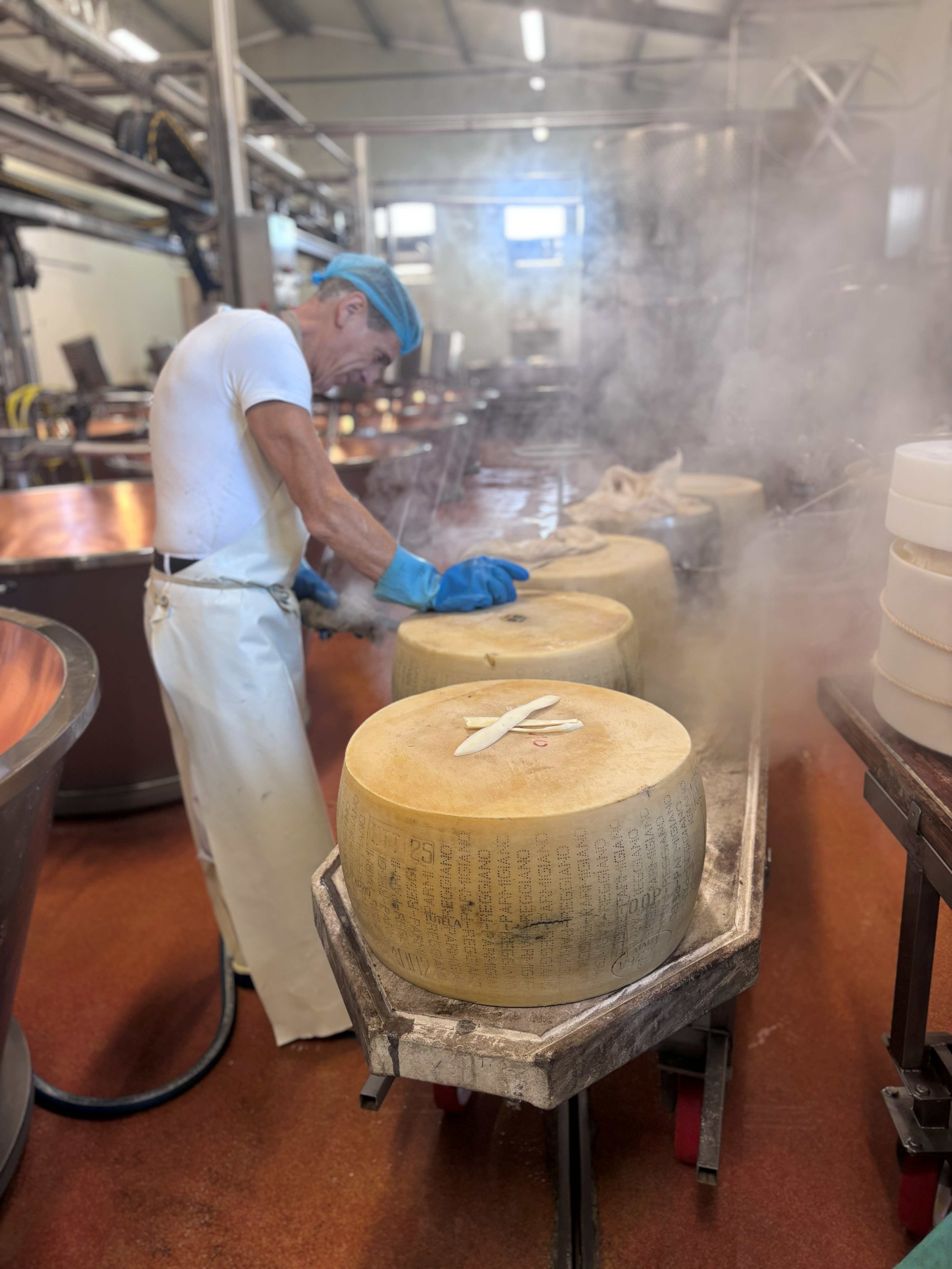
Besides the university, Bologna and the broader region of Emilia-Romagna are known as the gastronomic center of Italy. The nearby town of Parma is obviously known worldwide for the cheese Parmigiano Reggiano. Emilia Romagna is also the birthplace of tortellini, lasagna, prosciutto and many other well loved Italian food products. Our family took a tour of one of the Parmigiano cheese producers “Bio Reggiana,” which is known for being one of two remaining producers that still sources its milk from the rare “vacca bianca,” or white cow of Modena, of which there are only about 300 left in the world. We nearly got stuck out in the countryside because, as it turns out, the employees of the train company decided to go on strike that day, which seems to be something of a national sport in Italy. Fortunately, we were able to cajole a taxi driver to take us the hour long drive back to Bologna.
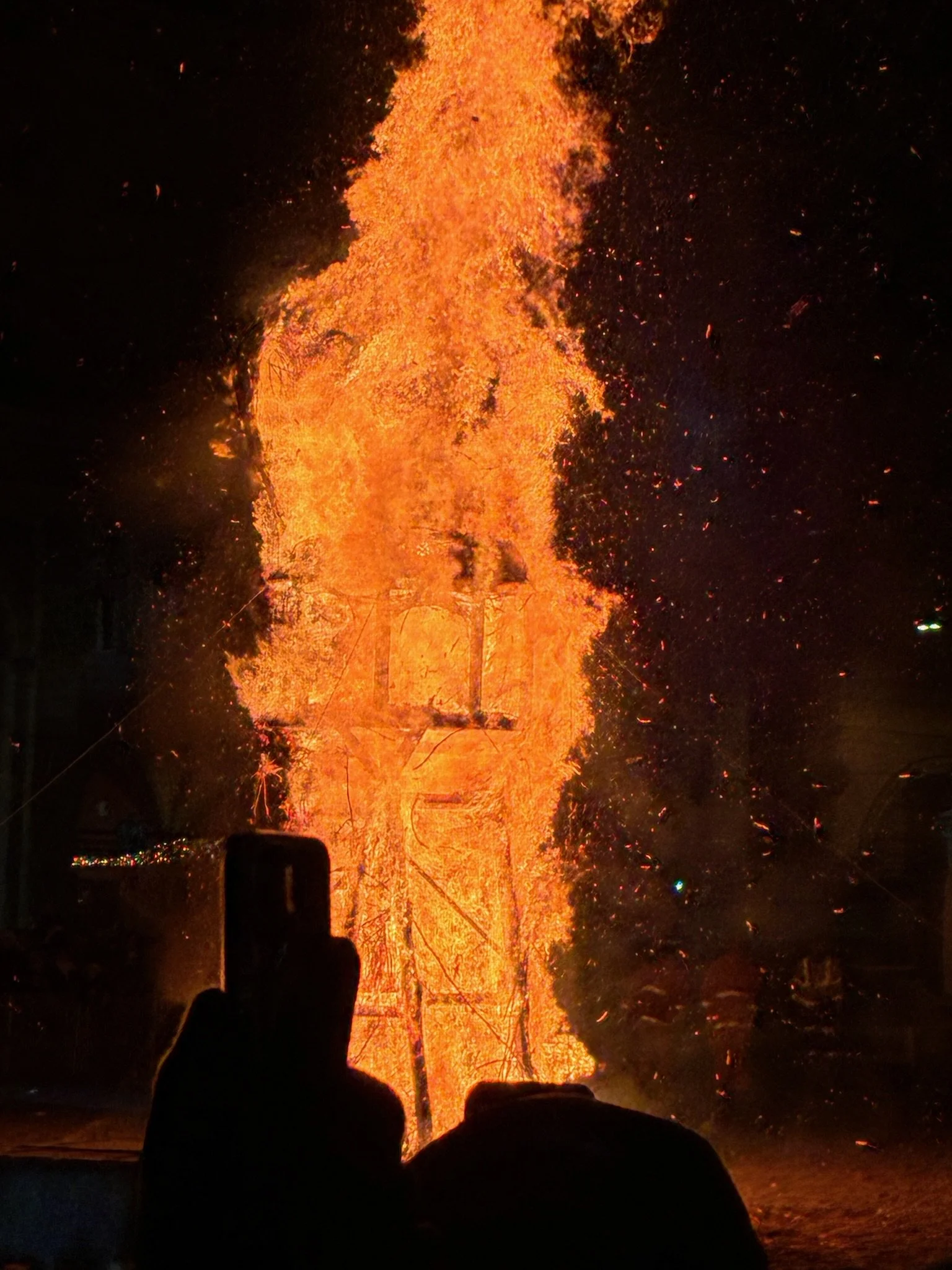
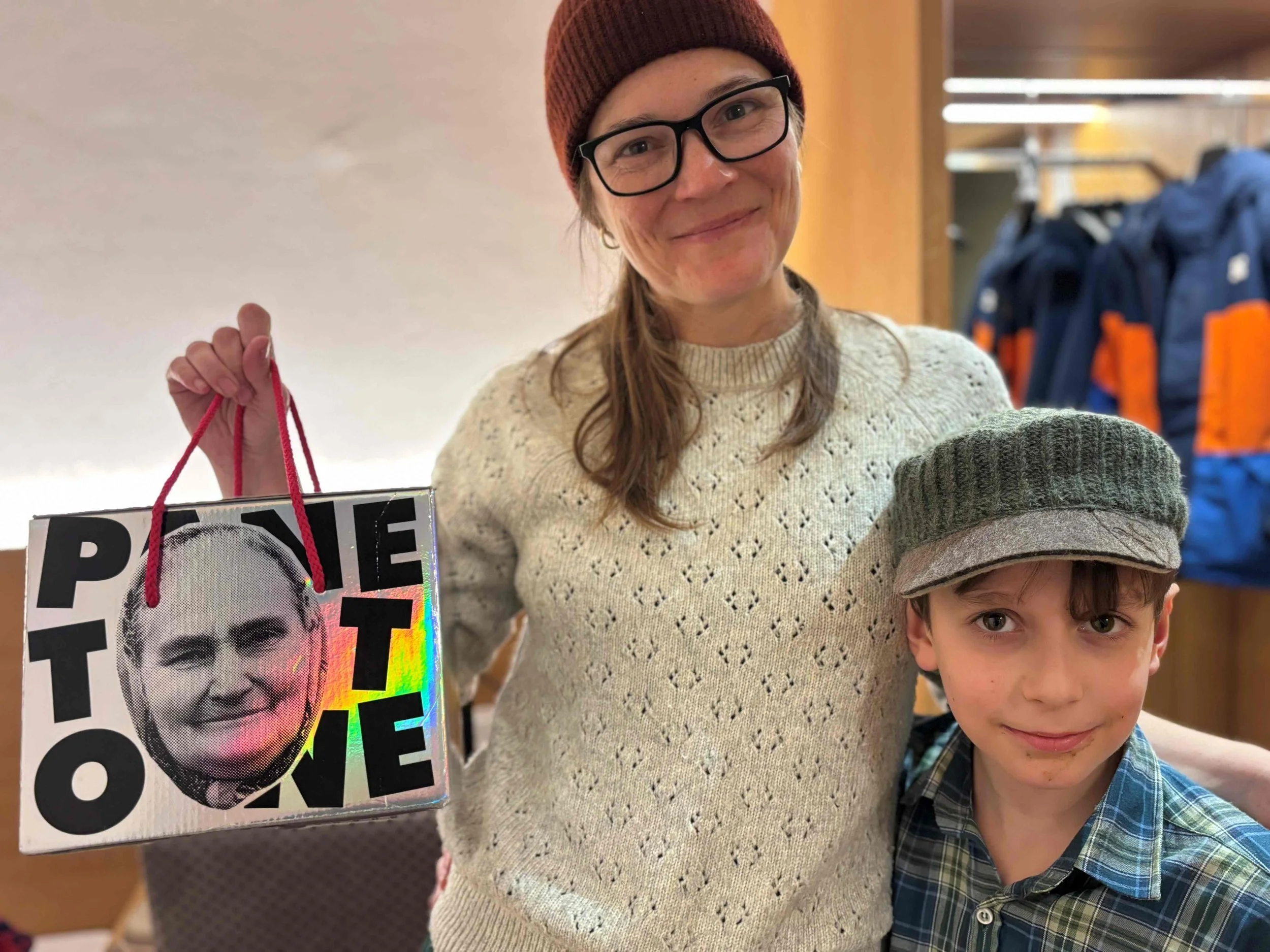
New Year’s in Bologna is a special occasion and is commemorated at midnight on Jan. 1 by the burning of a huge effigy of an old man in the main public square. This event is called the Falò del Vecchione. The old man is supposed to signify the old year and by burning it we are “letting go” of the past and making room for the future. On leap years it is the effigy of an old woman that is burned. It really is the O.G. Burning Man.
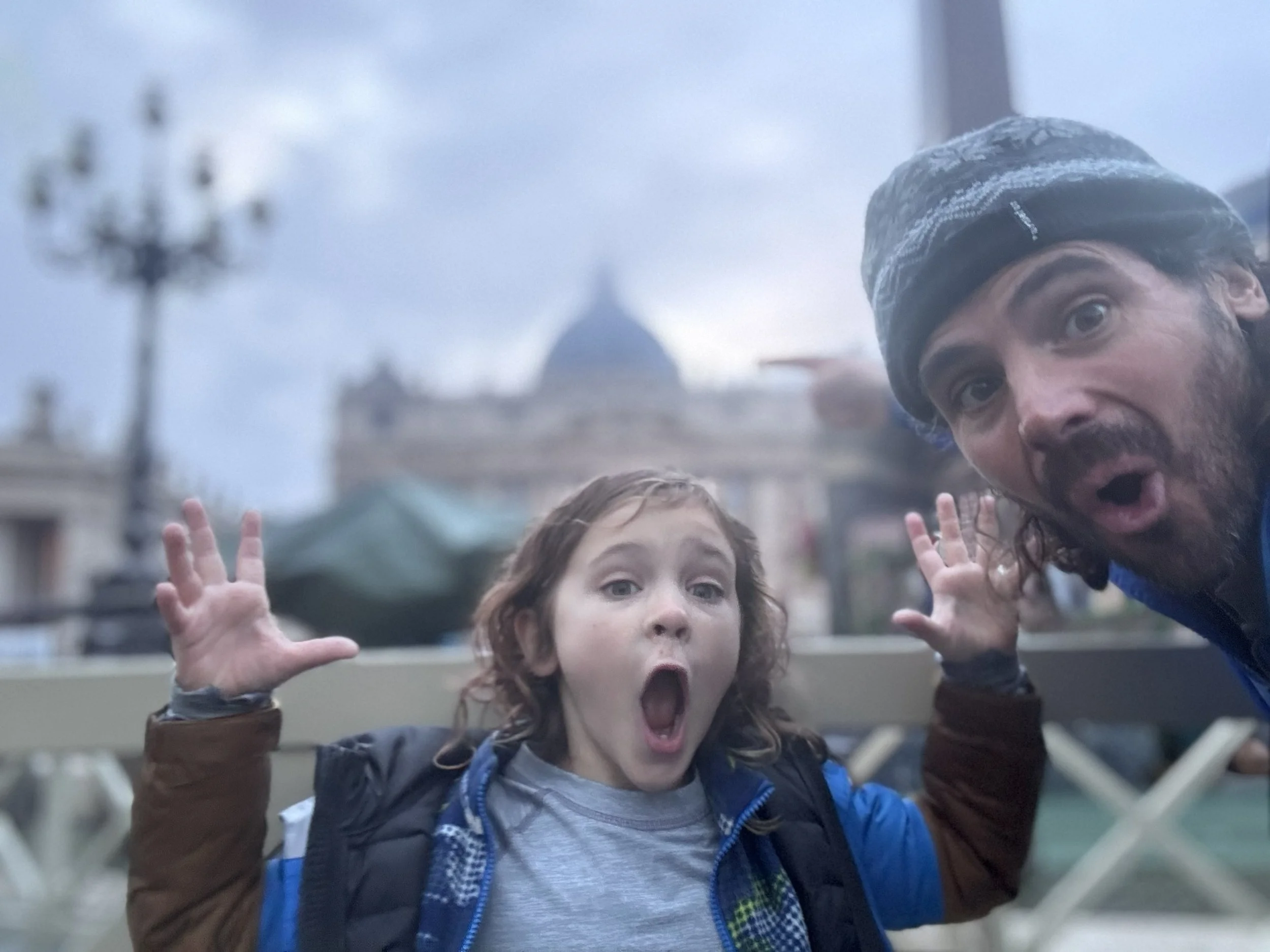
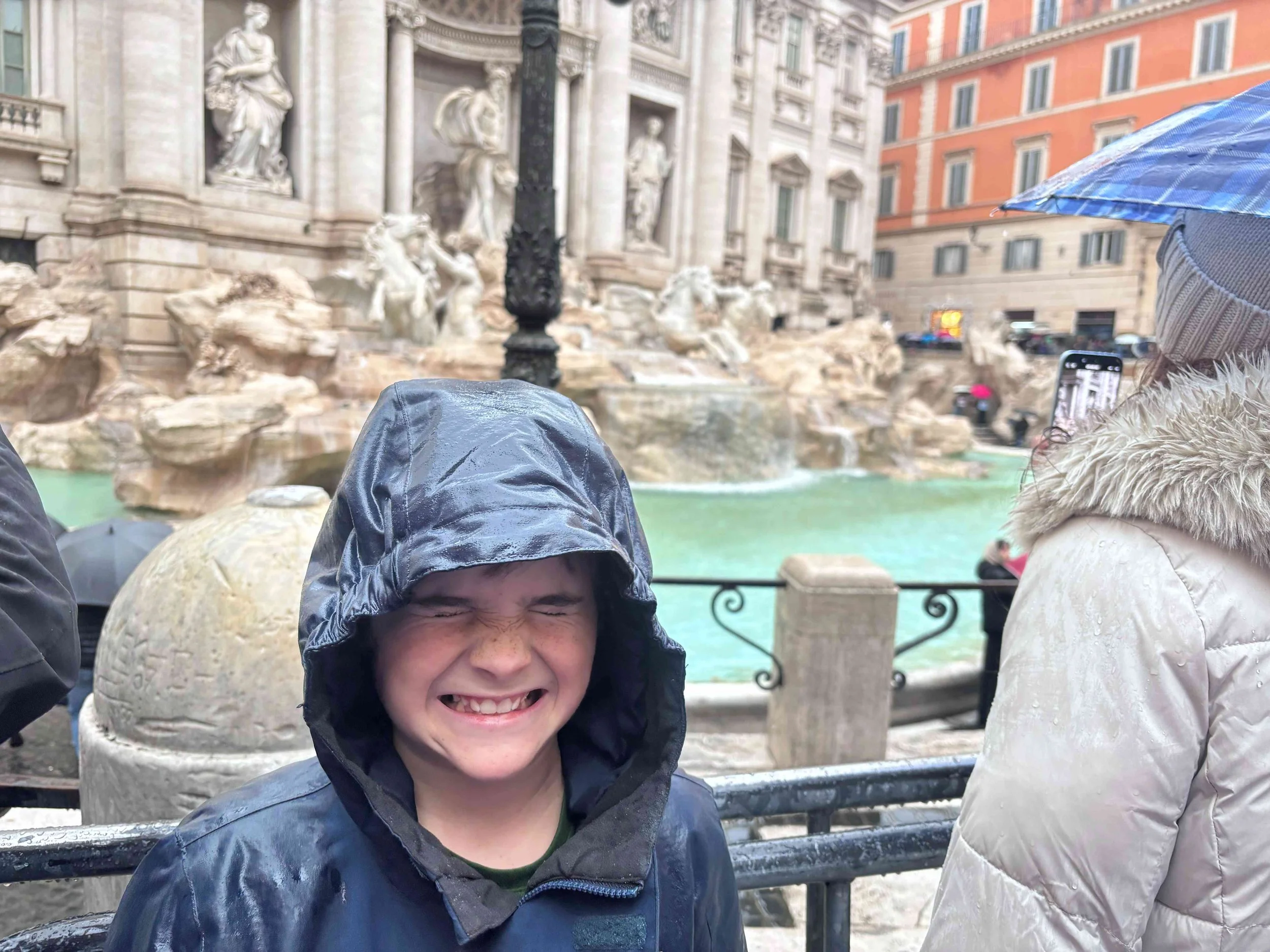
We also took the opportunity to visit the Eternal City of Rome for a few days, which is an easy two-hour trip from Bologna on the high-speed train system. Our trip was a bit hampered by bad weather, as it was pouring the entire time. In our photos you can see the incredulity in the face of my 10 year old Luca posing in front of the Fontana di Trevi, wondering why one would visit a water fountain, no matter how famous, in the midst of a downpour.
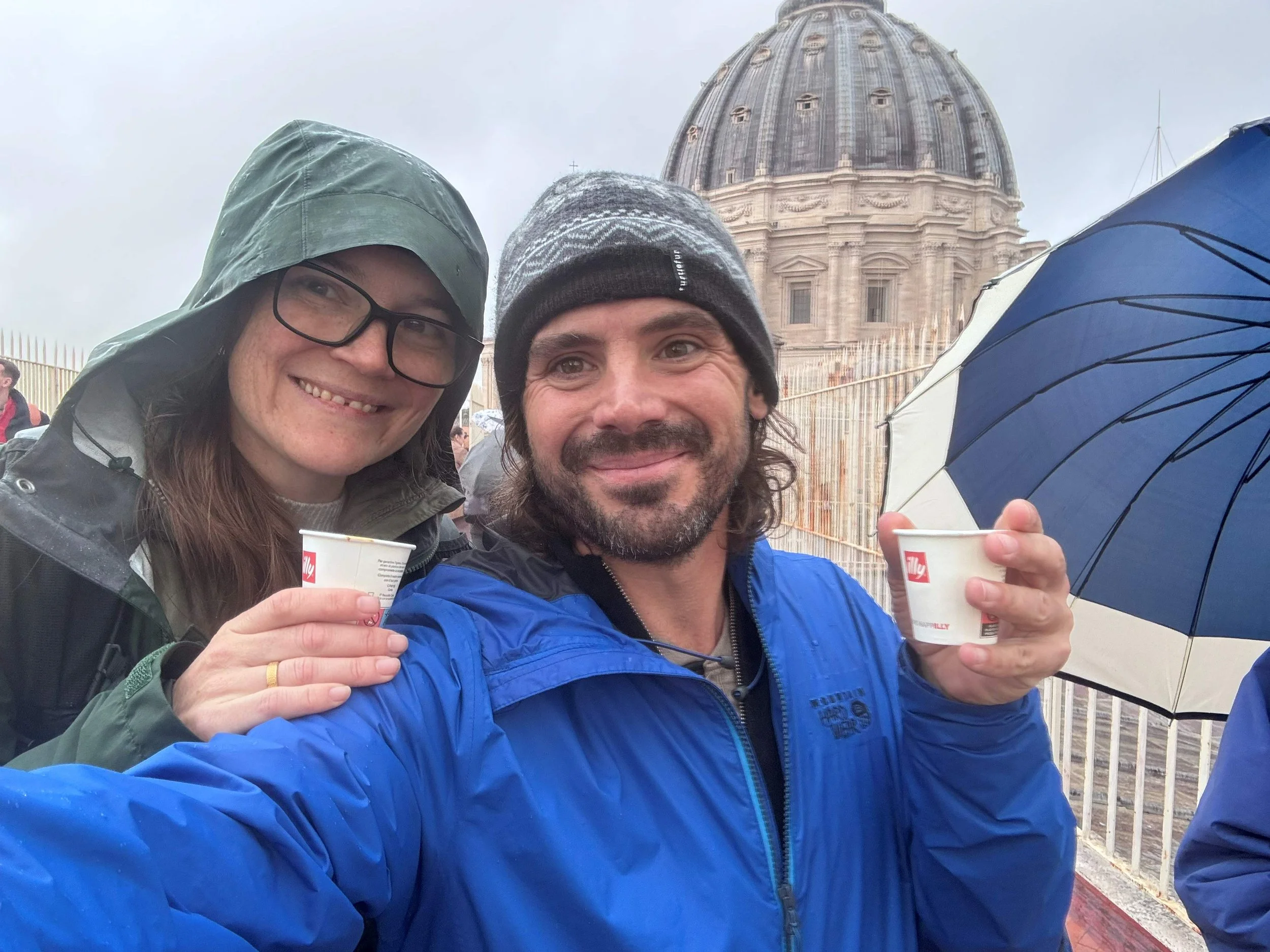
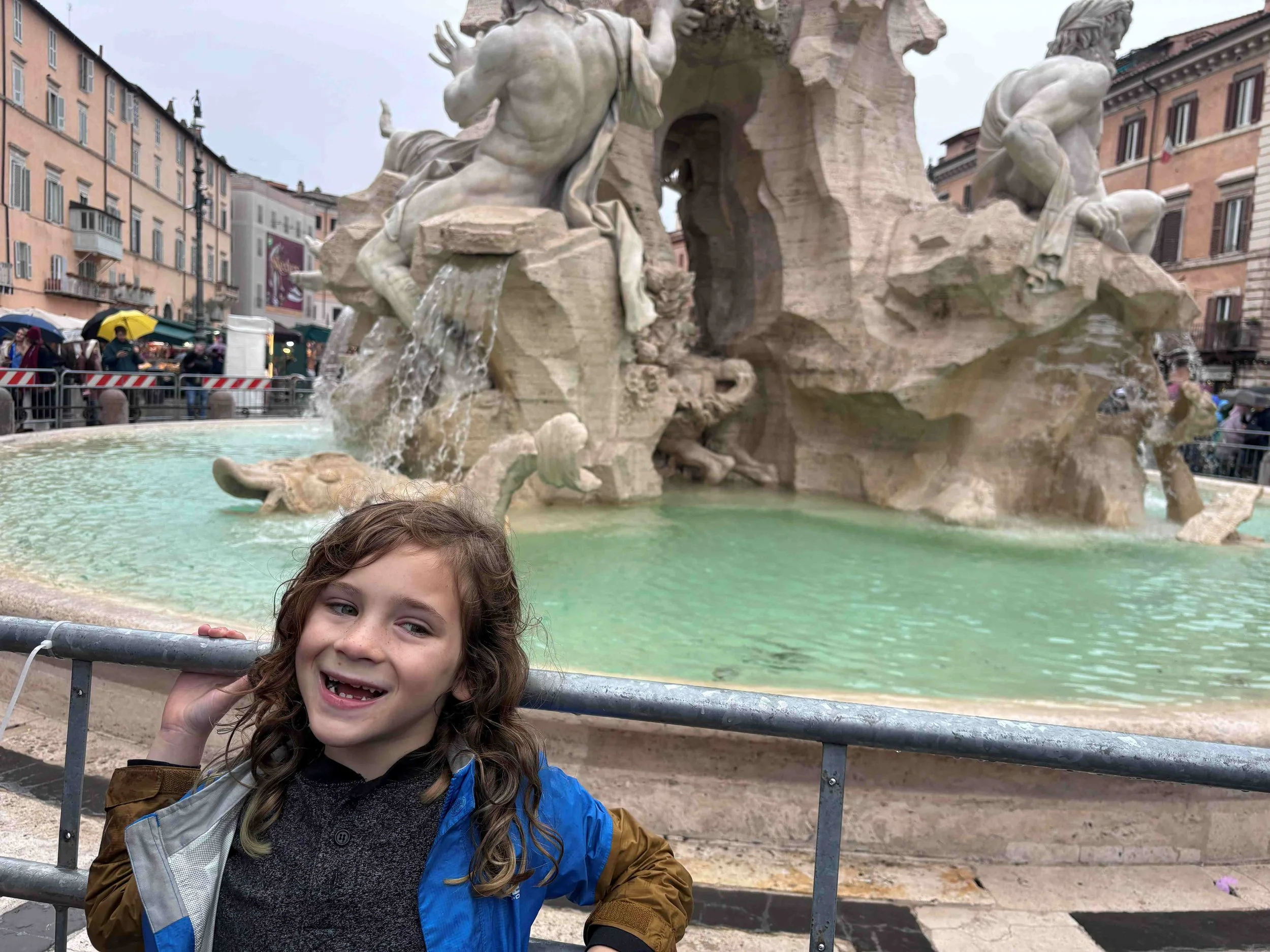
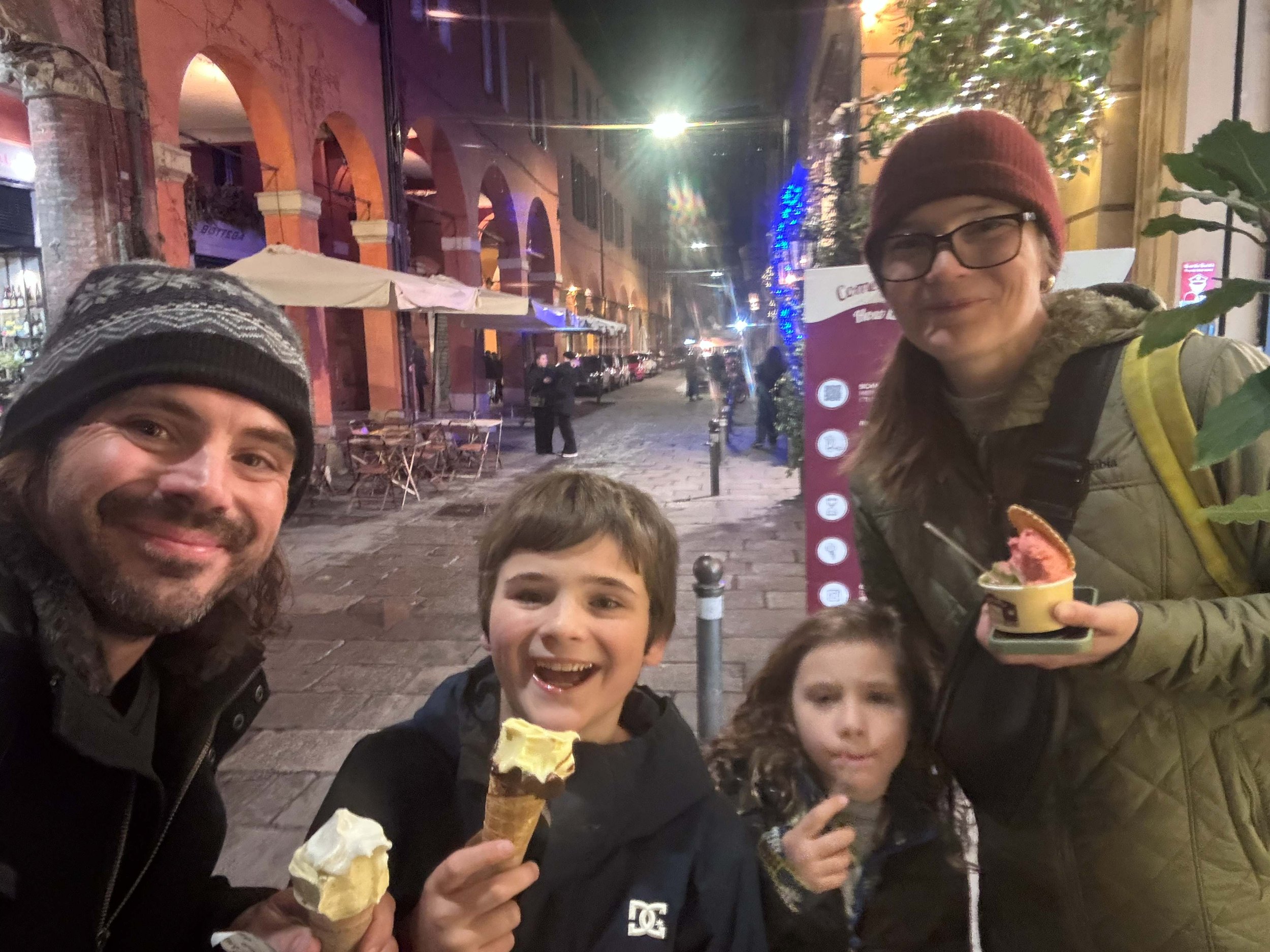
Pediatric complaints were suppressed by repeated doses of gelato, and we managed to have some great food, including a memorable dish of rigatoni pajata - a traditional Roman recipe that is described in Anthony Bourdain’s book as follows:
“To prepare pajata, Romans harvest intestines from freshly slaughtered calves, tie them off into rings to prevent the partially digested mother’s milk from escaping, simmer in tomato sauce, then serve with rigatoni and Pecorino Romano. The enzymes inside the intestines, as well as the long cooking process, turn the mother’s milk into a kind of ricotta-like filling.”
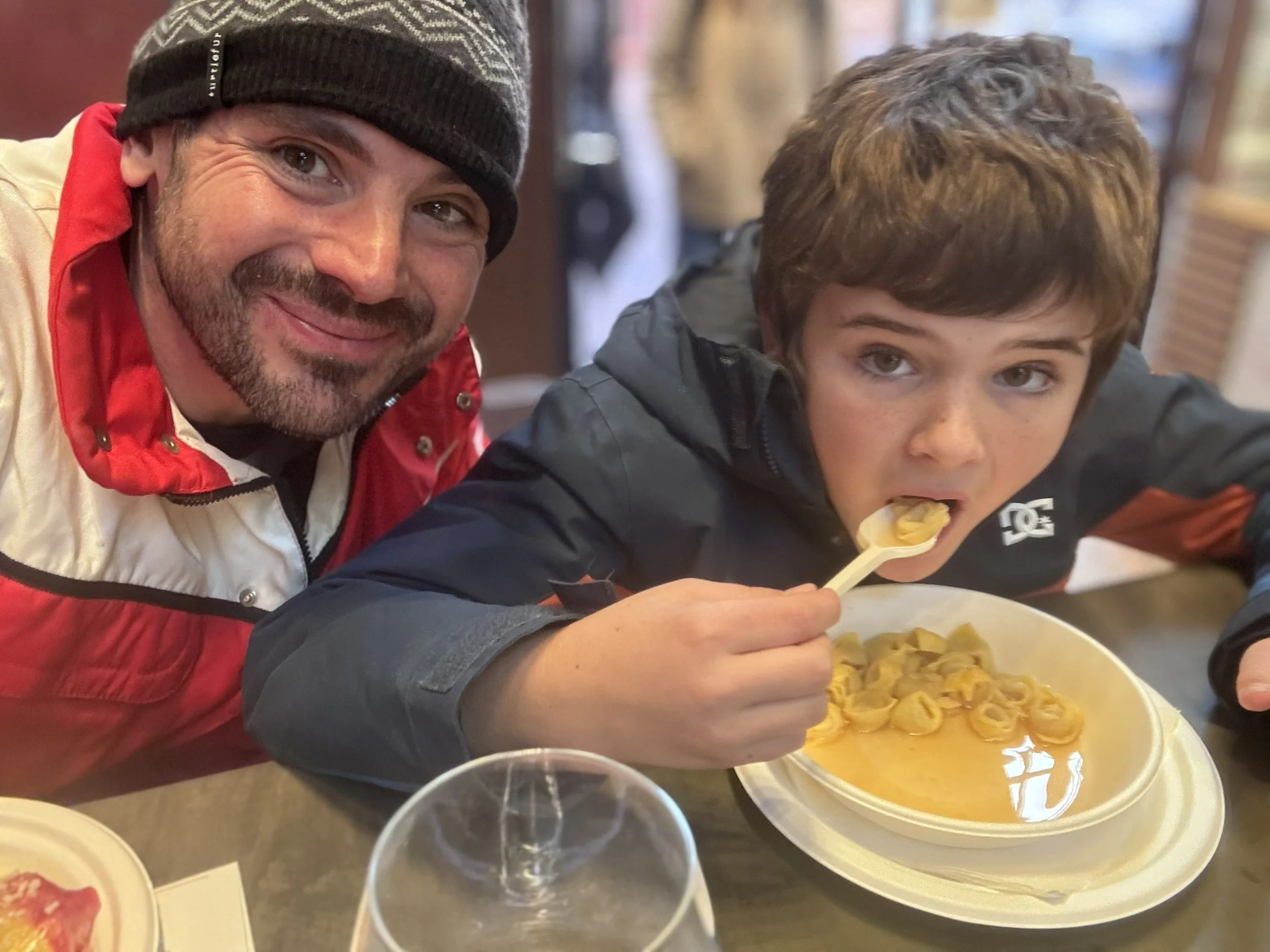
We also toured the Vatican and the incredible St Peter’s Basilica. If you ever go, I highly encourage you to do the dome and cupola tour. The hike up to the cupola includes a harrowing, tight, one-way spiral staircase that requires the use of a knotted rope to pull yourself up. Also, in typical Italian fashion, perched atop the basilica on the roof you can find a coffee shop to stop and get an espresso and gelato. While in Rome we also did some high-yield thrift shopping, and I managed to score a Roger Moore-era James Bond Villain-esque gold color full body ski suit with a fur collar for just five euros.
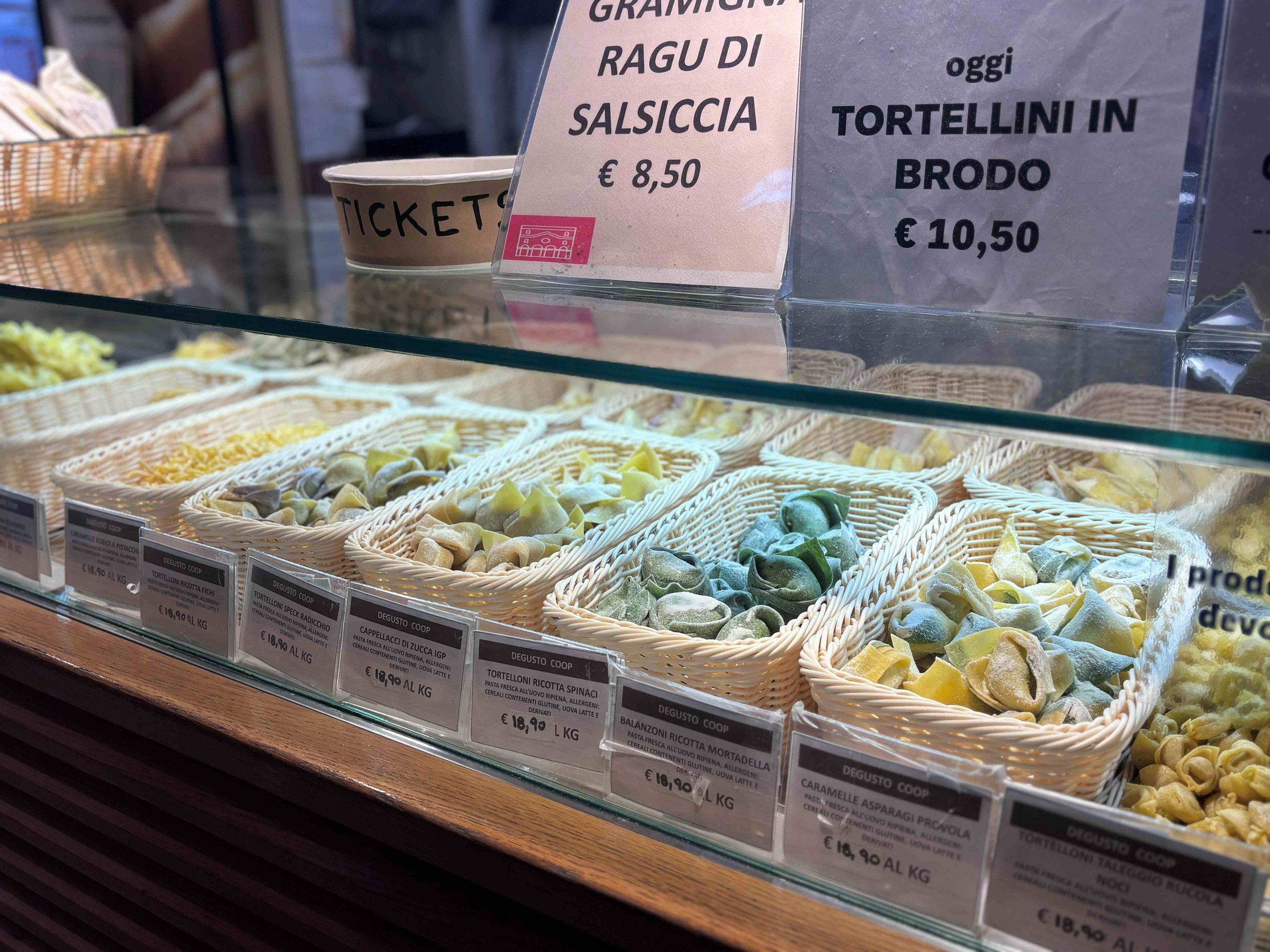
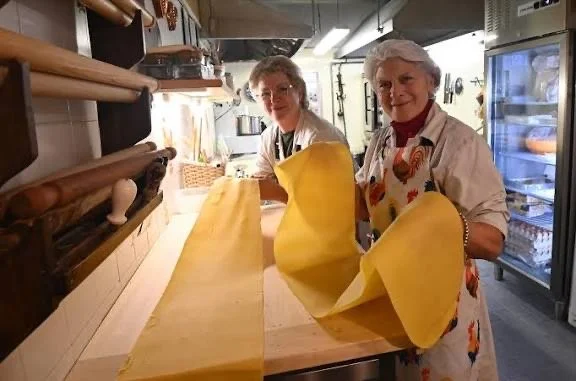
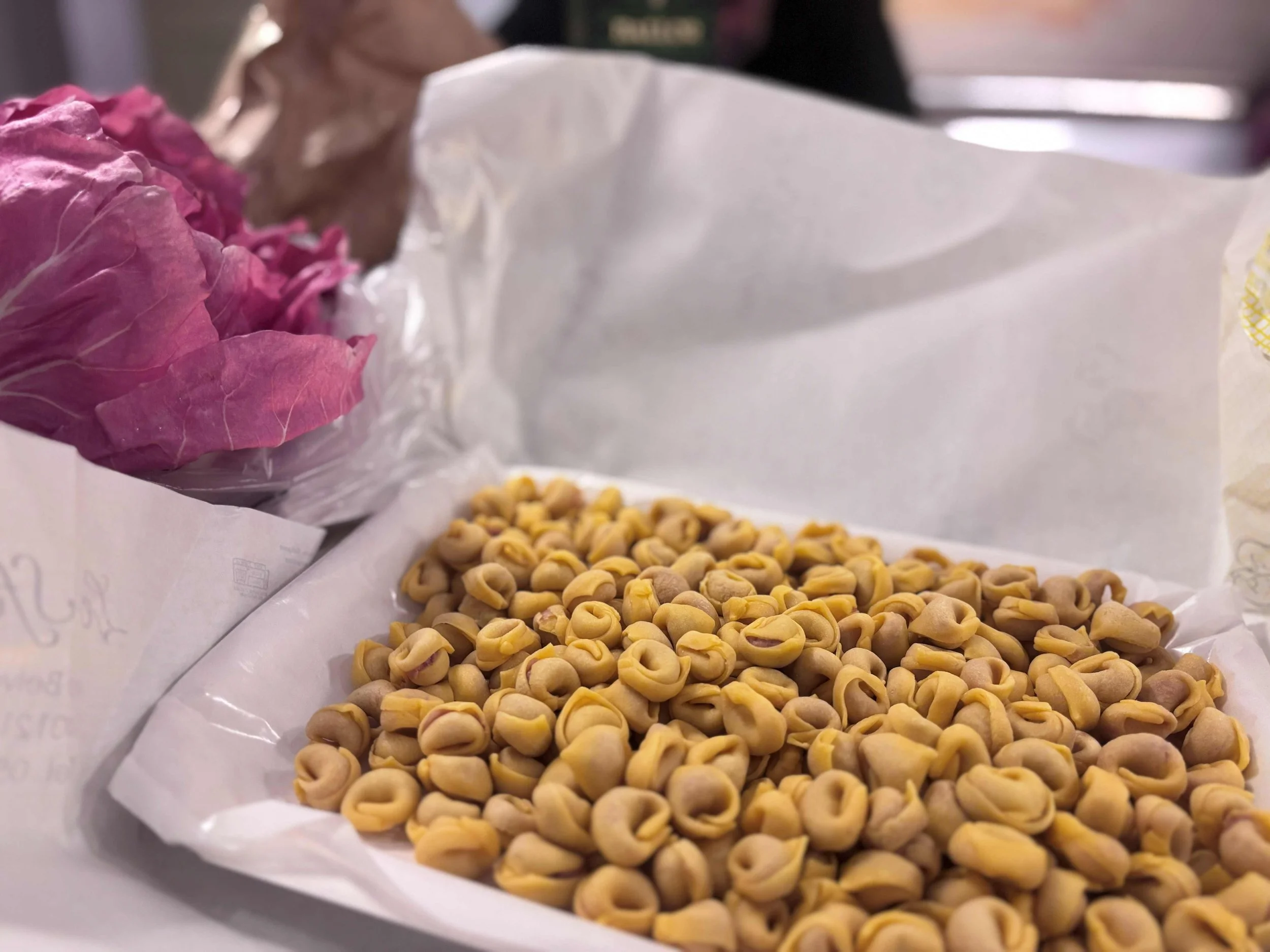
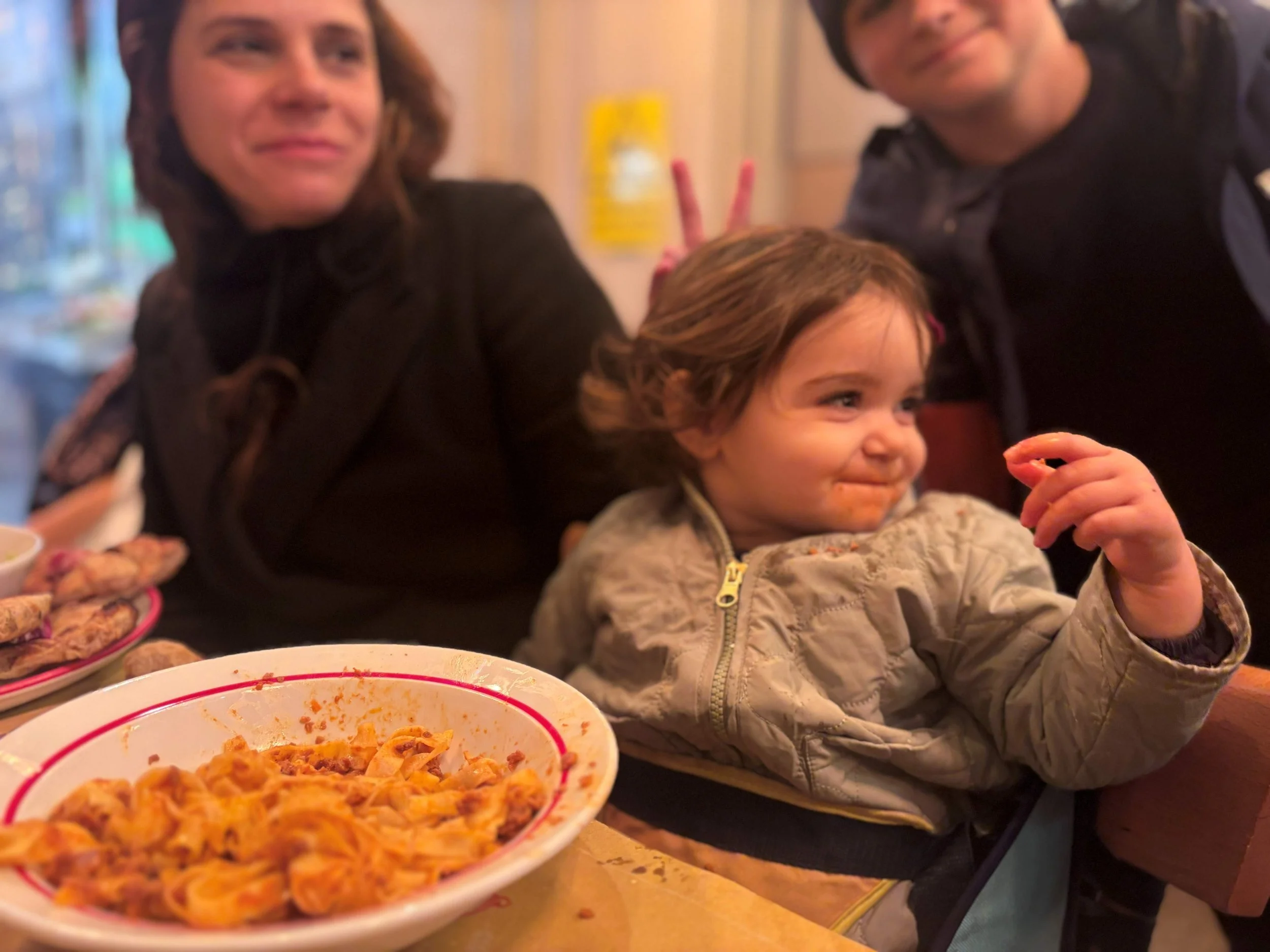
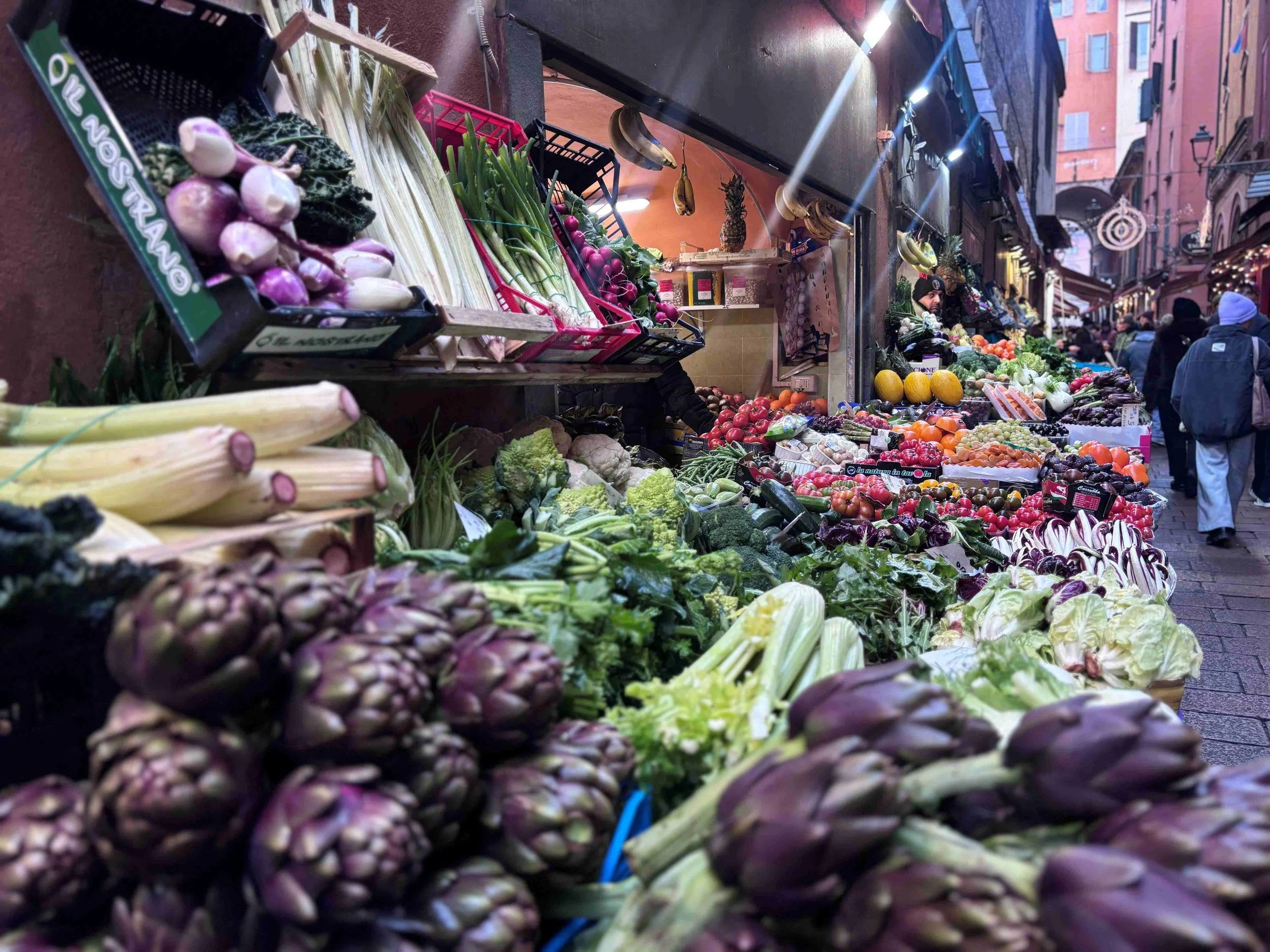
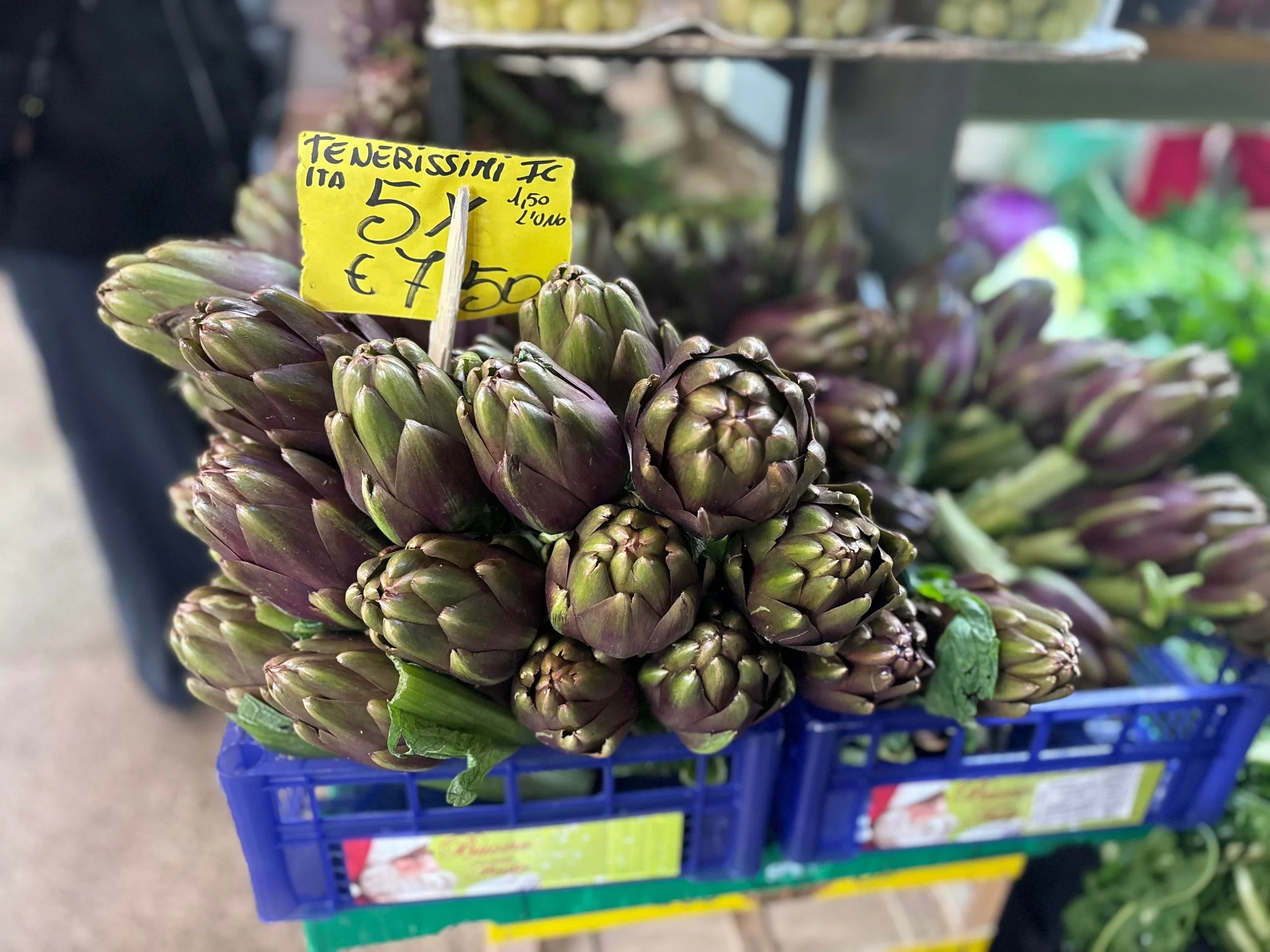
Back in Bologna, we continued to stretch our stomachs eating classic dishes “tortellini in brodo,” “spaghetti alle vongole,” and, of course, Bolognese sauce, the king of all meat sauces. The big family meals were mostly prepared at my sister’s home using ingredients shopped at the incredible open air markets, which have such a diversity and quality of ingredients to make you never want to return to the US. Here in the US, the deli meat product “mortadella” is having a bit of a moment, and touring Bologna for an afternoon just to try a few of the dozens of different variations of mortadella was a joyful decent into caloric hedonism.
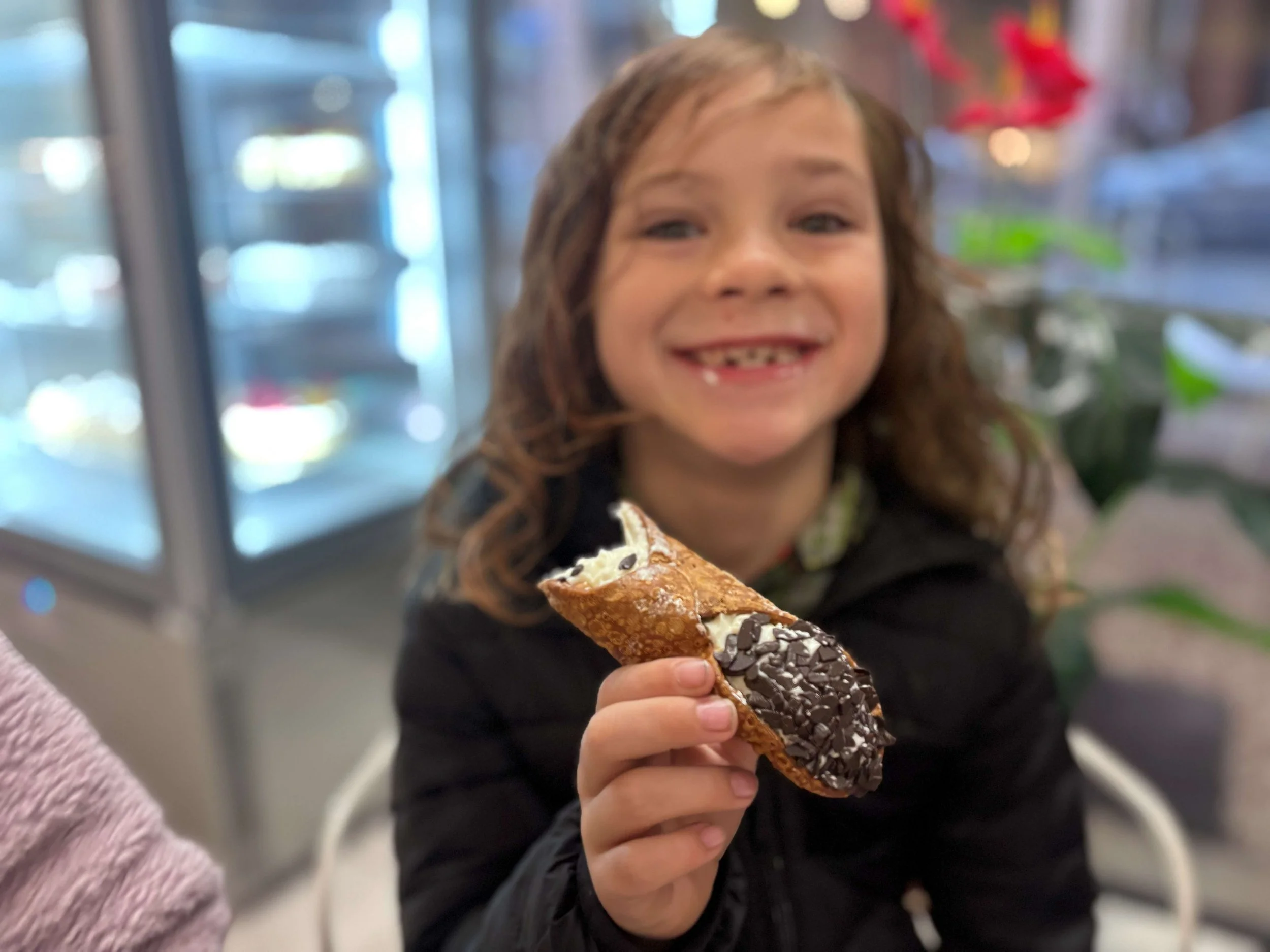
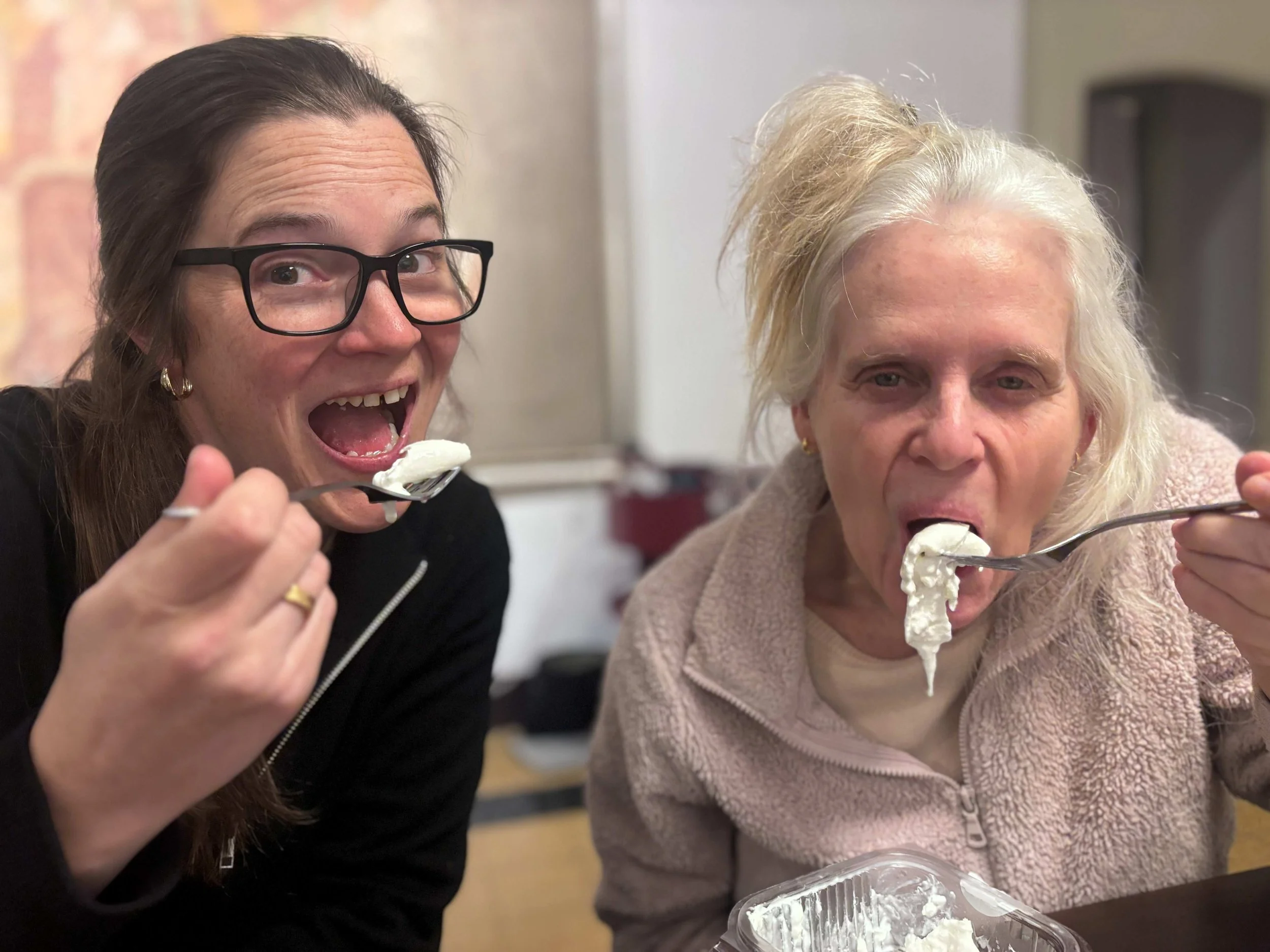
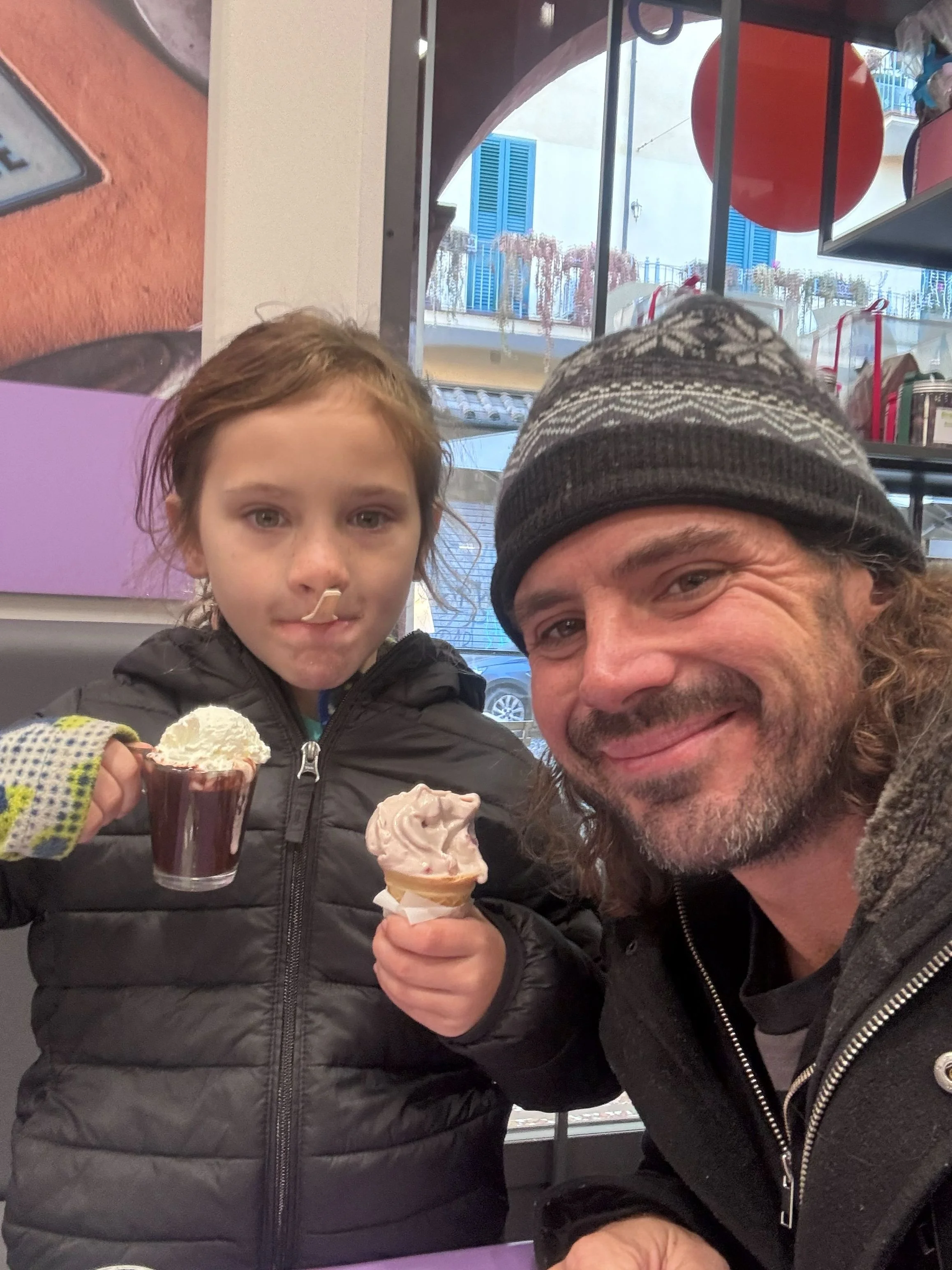
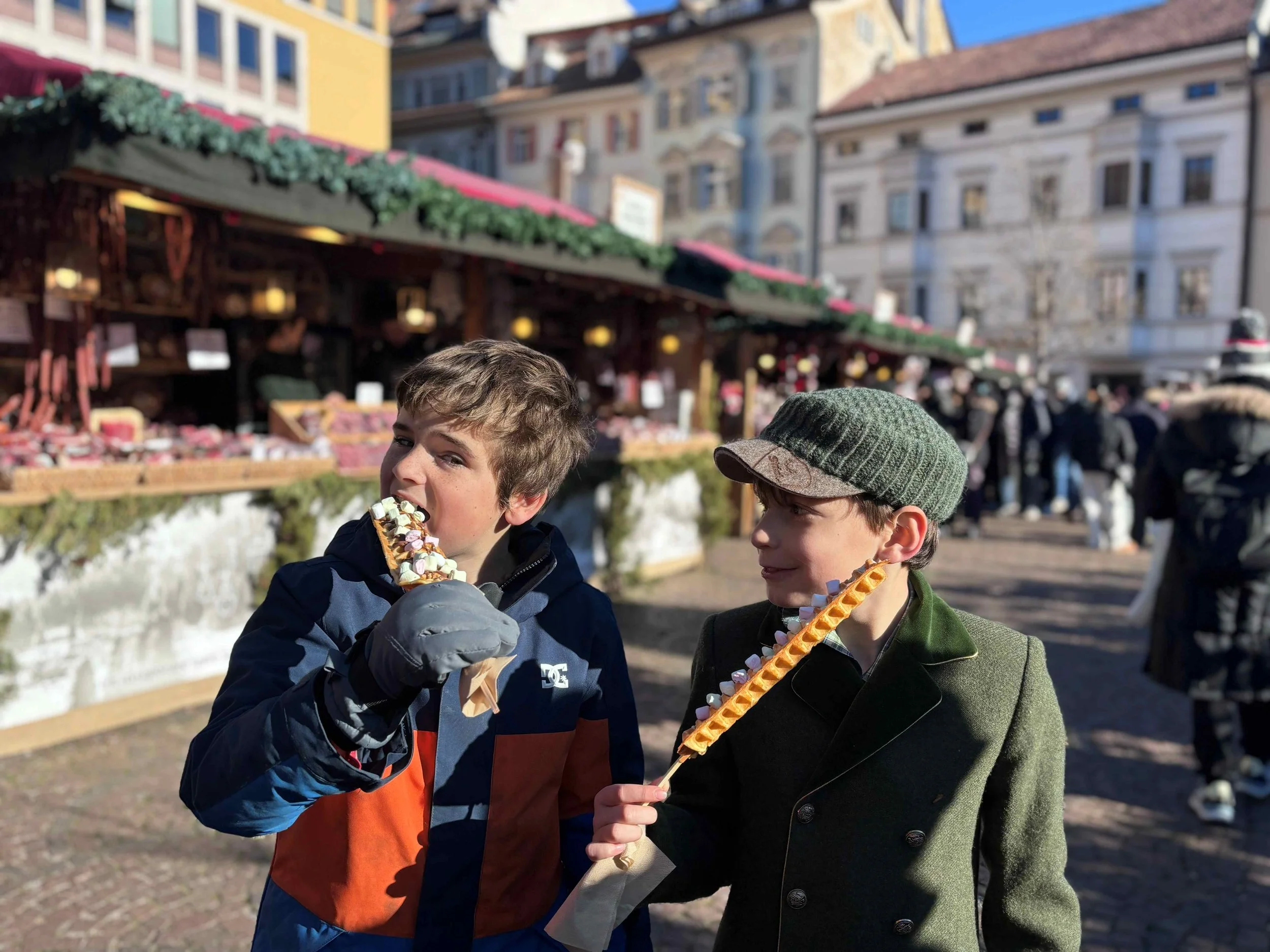
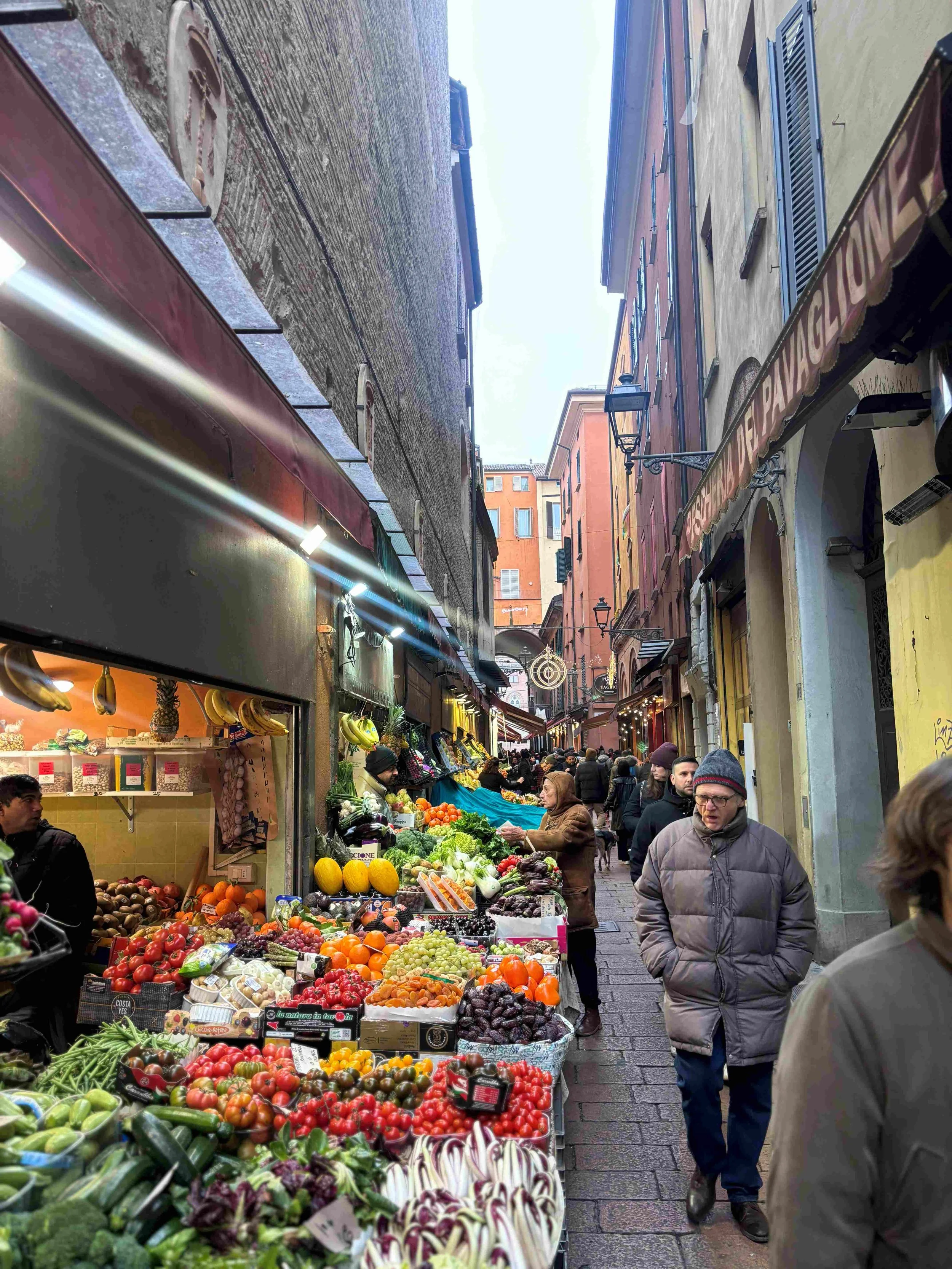
By all measures the trip was success, especially the measure of my weight, managing to gain more than 10 lbs in two weeks despite walking everywhere!
I hope everyone else can have a chance to visit the country of my family’s origin and enjoy the history and food as much as we did.