
SJH physician teaches Expedition Medicine in Andes, attempted summit of highest peak in western hemisphere
How would we live vicariously without Ryan Paterson, MD? The most recent adventure for our most well-traveled Emergency Medicine physician dropped him on Aconcagua, in Argentina’s Andes mountain range, where he taught an immersive course in Expedition Medicine while he and the group attempted to summit the highest peak in the western hemisphere.
“We were invited, based on prior work, to Aconcagua to train and equip others. It was an honor,” he said. “We have a special niche in the world to keep mountain sojourners safe and train others to do the same. We are so privileged to work in the places where we feel the spirit of the mountains every day. It is the best office!”
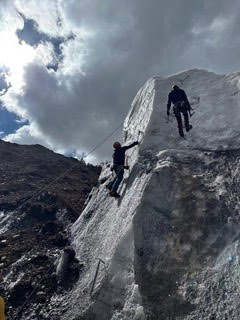
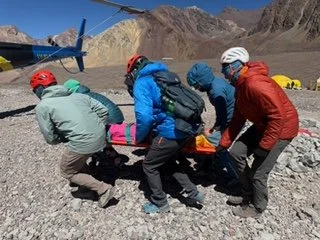
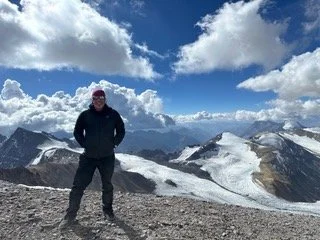
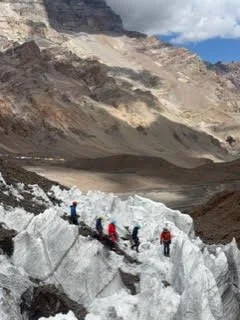
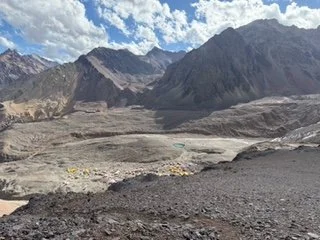
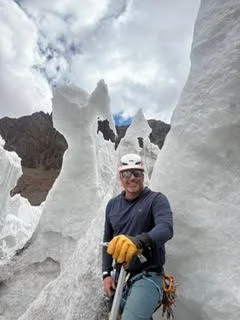
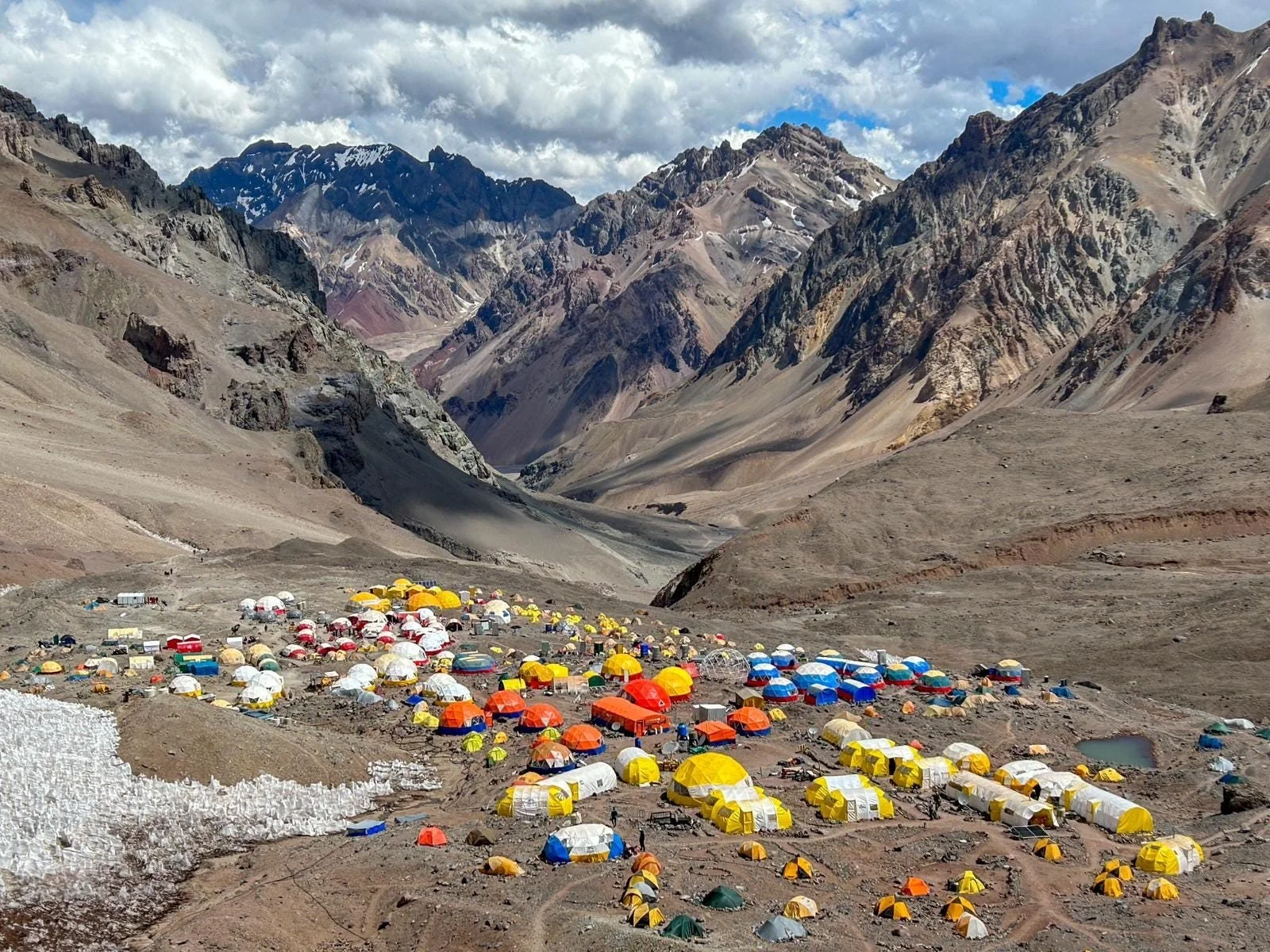
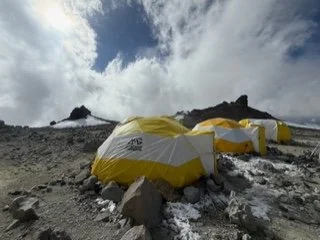
Enjoy his photos below and then experience the 19-day course couch-side by reading the abstract he drafted for a magazine.
“It was a fantastic experience with a multicultural team united by a love of mountains and medicine,” he said. “I will continue going to the mountains, as they continue to call me.”
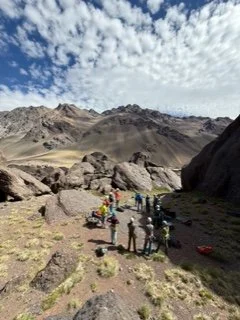
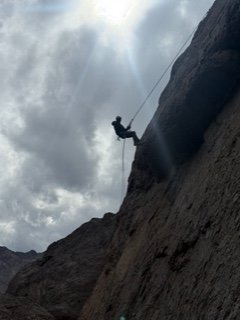
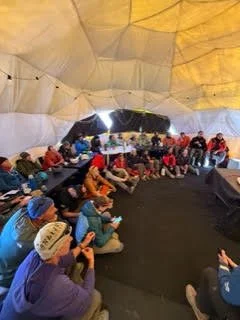
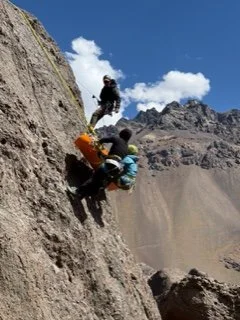
DiMM Andes, Expedition Medicine Training on Aconcagua: A Field-Based Diploma in Mountain Medicine Program in the Andes
Background: Expedition medicine requires clinicians to practice in austere, resource-limited environments while managing environmental hazards and altitude-related illness. Field-based training is essential for developing these skills.
Objective: To describe the structure and implementation of a high-altitude expedition medicine training program conducted during an ascent of Aconcagua (6961 m).
Methods: The DiMM+ Andes expedition medicine course was conducted over 19 days in February–March 2026. Participants included physicians, expedition clinicians, mountain guides, and instructor trainees from six different countries. The curriculum combined didactic lectures, clinical observation, rescue training and high-altitude mountaineering during a progressive ascent of Aconcagua via the Normal Route.
Results: The course incorporated structured instruction in altitude physiology, expedition planning, frostbite management, hypothermia, avalanche rescue and wilderness trauma care. Participants also observed clinical operations at the Plaza de Mulas (4300 m) high-altitude medical clinic (Extreme Medicine) and engaged in interdisciplinary rescue training with Park Rangers personnel and mountain rescue volunteers.
Conclusion: Expedition-based medical education on Aconcagua provides a unique environment for integrating clinical knowledge with practical mountaineering and rescue skills. Such programs may play an important role in developing future practitioners and educators in mountain and expedition medicine in the Andes.
Introduction
Expedition and wilderness medicine require clinicians to operate in remote environments where diagnostic tools, evacuation options, and medical resources are limited. Training programs for mountain medicine therefore emphasize experiential learning in real alpine settings.
Aconcagua (6961 m), located in the Argentine Andes, is the highest mountain in the Western Hemisphere and one of the most frequently climbed high-altitude peaks in the world. The mountain’s altitude, harsh environmental conditions, and high number of climbers create a natural laboratory for the study of altitude physiology, environmental injury, and expedition logistics.
The Diploma in Mountain Medicine (DiMM) is an internationally recognized training pathway supported by organizations including the International Commission for Alpine Rescue, the International Climbing and Mountaineering Federation, and the International Society for Mountain Medicine.
This article describes the design and implementation of the DiMM+ Andes expedition medicine course, conducted on Aconcagua in February–March 2026.
Methods
The DiMM+ Andes expedition was designed as a field-based educational program integrating mountaineering, expedition leadership, and wilderness medicine training. The expedition lasted 19 days and included:
pre-expedition academic preparation
in-field lectures and workshops
clinical observation
rescue training
progressive high-altitude acclimatization
a summit attempt on Aconcagua
The cohort comprised 15 healthcare professionals representing six nations—Argentina, the United States, Switzerland, Russia, Wales, and Chile. Among them were a paramedic, a registered nurse, and thirteen physicians, including two who participated as instructors in training.
Pre-Expedition Preparation
Participants completed a pre-course curriculum that included:
review of academic literature on altitude illness and expedition medicine
physical conditioning and load-carrying training
preparation of short (22 min) educational presentations (Topics 22)
demonstration of wilderness medical skills
Required equipment included double mountaineering boots and cold-weather systems rated to approximately –30 °C, reflecting the risk of frostbite and severe weather on Aconcagua.
Expedition Itinerary
The course began in Mendoza, Argentina, (750 m) and progressed through staged acclimatization and mountaineering training before entering Aconcagua Provincial Park. Key stages of the expedition included: Mendoza (750 m), Las Cuevas (~3100 m), Confluencia Camp (3400 m), Plaza de Mulas Base Camp (4300 m), Camp Canada (5050 m), Nido de Cóndores Camp (5570 m), Colera Camp (5950 m) and Aconcagua Summit (6961 m).
Acclimatization followed a staged ascent with rest days and load carries consistent with standard high-altitude mountaineering practices.
Curriculum
The expedition curriculum combined clinical, technical, and leadership components. Core medical topics included:
altitude physiology and acclimatization
prevention and treatment of acute mountain sickness
frostbite and cold injury
hypothermia management
expedition medical kits and logistics
preventive medicine during expeditions
Participants also completed case-based discussions and clinical scenario simulations.
Rescue and Technical Skills
Technical mountaineering and rescue skills were integrated throughout the course:
rope systems and knots
rock and snow anchors
crevasse rescue
avalanche beacon search and excavation
improvised litter evacuation
emergency shelter construction
These sessions emphasized practical skills necessary for remote medical response.
Clinical Observation at Base Camp
Several days were spent at Plaza de Mulas (4300 m), where participants observed clinical operations at the high-altitude medical clinic serving climbers on Aconcagua. This experience allowed participants to observe real cases involving:
altitude illness
dehydration
frostbite
respiratory illness
trauma and musculoskeletal injury
In addition, participants attended a Rescue and Medicine Symposium conducted with park personnel and mountain rescue volunteers.
Instructor Development Program
An Instructor Development Program (IDP) was integrated into the course to support the development of future mountain medicine educators in the Andes. Participants in the IDP were experienced clinicians who:
supported teaching sessions
facilitated case discussions
assisted with rescue training scenarios
This model was intended to expand regional teaching capacity and develop future instructors for DiMM programs in Latin America.
High-Altitude Phase and Summit Attempt
After acclimatization at Plaza de Mulas, the expedition ascended progressively to high camps on the Normal Route of Aconcagua. During this phase, teaching sessions continued at altitude, including:
avalanche risk assessment
frostbite management scenarios
glacier travel systems
expedition ultrasound applications
A summit attempt was conducted from Camp Colera (5950 m) on February 26, with an additional weather contingency day. Summit attempt aborted due to inclement weather with very high winds and extreme low temperatures.
Discussion
Field-based expedition medicine training provides unique advantages compared with classroom-based education.
First, participants experience the physiological and psychological effects of high altitude, providing direct insight into conditions such as hypoxia, dehydration, and fatigue.
Second, technical rescue training conducted in real alpine environments enhances skill acquisition and decision-making under realistic conditions.
Finally, collaboration with local rescue organizations and park personnel fosters interdisciplinary training that reflects real-world expedition scenarios.
Programs such as the DiMM+ Andes expedition may contribute to the development of regional expertise in mountain and expedition medicine, particularly in the Andes where high-altitude mountaineering activity continues to grow.
Conclusion
The DiMM+ Andes expedition medicine course on Aconcagua represents an integrated model of field-based education combining mountaineering, clinical medicine, and rescue training. By conducting training directly in the high-altitude environment, participants gain practical experience managing the challenges inherent to expedition medicine. Such programs may help develop the next generation of clinicians and educators in mountain medicine throughout the Andes.