
St. Vincent Physician is Redefining Diabetes Care
When a rural Montana patient arrived at the St. Vincent Regional Hospital Emergency Department with a chronic foot ulcer and blood sugars soaring over 300, the outcome could have been devastating. But innovative diabetes technology, paired with coordinated virtual and in‑person care, changed the course. After Justen Rudolph, MD, and his team initiated insulin therapy and connected the patient to a continuous glucose monitor, his average glucose dropped to 152. His wound began to heal. They saved his foot.
Stories like this highlight how much innovation is enhancing diabetes care. With the right tools in place, patients can get more timely, personalized support, even from a distance. The tools and technology available today didn’t exist a decade ago, and as Dr. Rudolph puts it, “They’re helping us deliver world‑class care without requiring patients to leave home.”
Bringing World-Class Care Closer to Home
When Dr. Rudolph returned to Montana nearly two decades ago, he had one goal: make sure patients didn’t have to leave the state for world-class diabetes care. “Thirty years ago, people were leaving Montana for places like Denver or Seattle to get top-notch care,” he said. “People shouldn’t have to do that. We should be able to do everything they’re doing right here.”
Today, as the director of the St. Vincent Diabetes Center in Billings, Dr. Rudolph leads a team-based approach that includes nurse practitioners, physician assistants, dietitians, diabetes educators, and technology specialists. Another critical part of his team: innovative technologies.
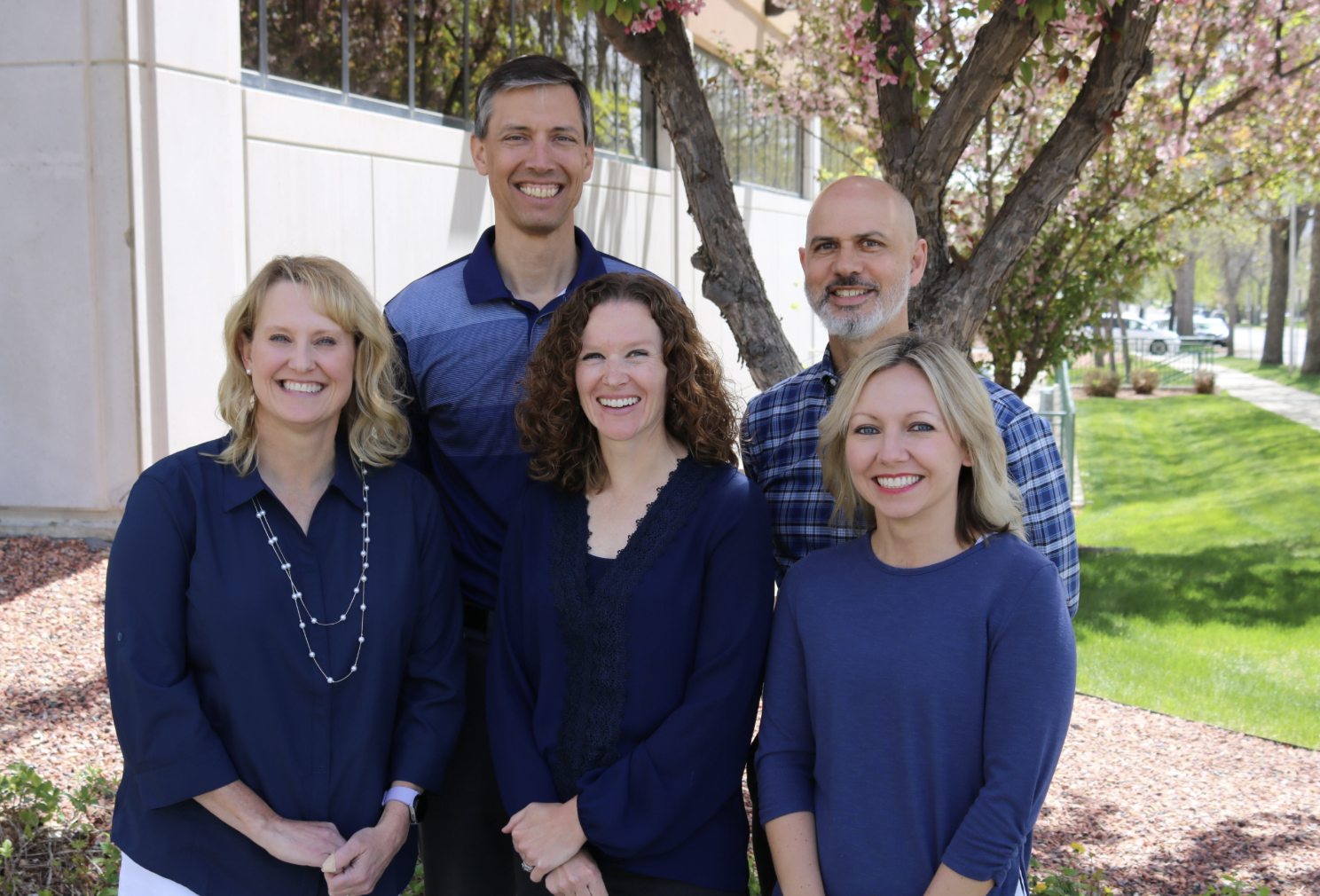
Justen Rudolph, MD (top left) and members of the St. Vincent Diabetes Center team.
Telehealth has become a cornerstone of that transformation. “Some of our patients would drive five or six hours for an appointment,” Dr. Rudolph said. “Now, telehealth allows us to expand our reach while maintaining that connection and providing care consistently. His patients span Montana, North Dakota, South Dakota, and Wyoming. “Diabetes lends itself well to telehealth because of its chronic nature and its use of technology and remote patient monitoring,” he said.
Remote monitoring tools paired with insulin pumps have transformed diabetes care. “Insulin pumps and continuous glucose monitors upload data to the cloud in real time,” he said. “I can log in and see exactly what’s happening with a patient’s blood sugars, whether it’s over the past few weeks or right now. That means more seamless, real-time, and appropriate care.”
Dr. Rudolph’s team is also piloting the integration of glucose data directly into Epic, which helps eliminate extra steps and improve efficiency. AI tools like DAX Copilot are reducing documentation burdens, while health information exchanges such as Big Sky Care Connect allow providers to access lab results across systems – saving patients time, travel, and out-of-pocket costs.
What’s Next in Diabetes Innovation
Looking ahead, Dr. Rudolph is excited about automated insulin delivery systems, where pumps communicate with glucose monitors and adjust insulin every five minutes. “That’s been a game-changer in preventing highs and lows,” he said.
Innovation isn’t just about technology; it’s about roles too. Recently, the team introduced a diabetes technology specialist, a position dedicated to helping patients navigate devices like continuous glucose monitors and insulin pumps. “She does a great job getting patients connected to the cloud, syncing accounts, and troubleshooting issues,” Dr. Rudolph said. “It’s a role that didn’t exist five years ago, and now it’s essential.”
For Dr. Rudolph, these innovations all serve one purpose: better patient outcomes and a better patient experience. And for the patients living hours away, remote monitoring means fewer trips and better continuity of care. “That’s what it’s all about,” he said.