
St. Mary’s Interpretation Services: Do’s & Don’ts
Intermountain Health is committed to ensuring meaningful communication with patients and their authorized representatives by providing free interpretation services during all hours of operation.
Why it matters: Using a professional interpreter helps protect patient autonomy and ensures the full care team shares the same understanding—reducing miscommunication and preventing information from being filtered (even unintentionally) by family members.
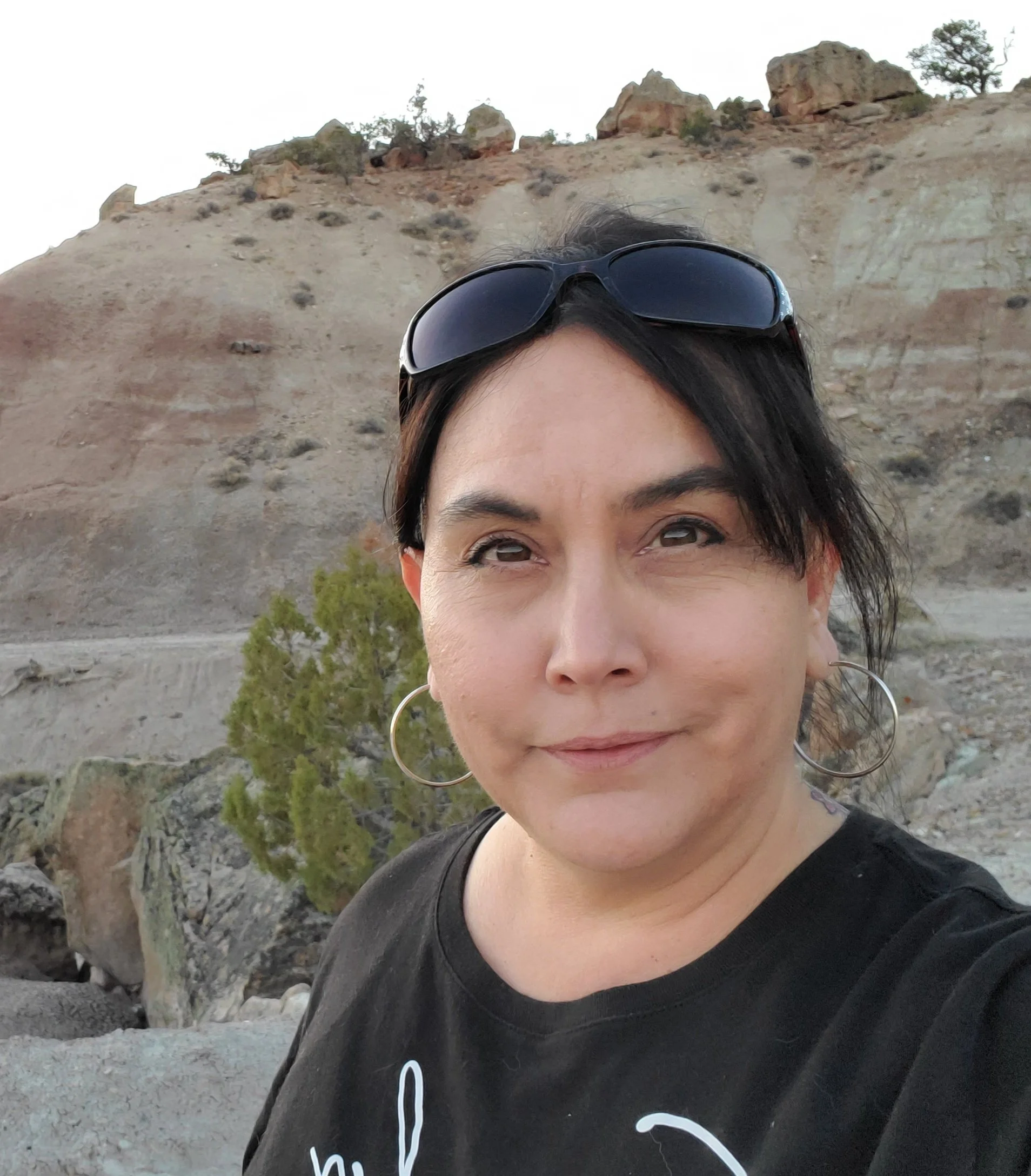
“Everyone in the room needs to understand what is being said—not just the patient and the person speaking to them,” said Alma Rodriguez Diaz, St. Mary’s on-site Spanish medical interpreter (pictured). “If the provider speaks the same language as the patient, that’s great—but the nurse and other caregivers may not know what’s being said. Interpreters are there for everyone.”
The list below outlines several dos and don’ts for utilizing interpretation services to help clinicians stay compliant and provide the best possible care.
DO:
Offer FREE interpretation services to all patients, members, their family members, and companions.
For a full menu of language services, call 970-298-3838. (With Vocera: Say “Call Language Services” for in-person Spanish support).
Option 1: In-person interpreter/support
Option 2: Spanish over the phone
Options 3, 4, 5: All other languages
For the telephone language line, call 970-298-8255.
Interpretation over video: Access an interpreter on video in 52 languages through iPads, EPIC or our telehealth platforms. Each unit has one or more iPads to facilitate video remote interpretation access.
In-person interpreter: ideal for sensitive or complex conversations, when requiring cultural mediation, or when helping deaf or hard-of-hearing patients. Advanced scheduling required. At St. Mary’s, we have an on-site Spanish medical interpreter, Alma Rodriguez, available weekdays 8:00– 4:30. To contact her, call 970-298-3838, choose option 1, and ask the dispatcher to connect you.
Document the offering and provision of interpretation services, as well as any refusal of such services by the patient, for all visits or clinically significant conversations.
Use compliant resources to provide communication assistance, namely:
Staff professional interpreters (e.g., our on-site Spanish medical interpreter, Alma Rodriguez Diaz)
Contracted professional interpreter (e.g., our telehealth and iPad-based interpreters, and our language line)
Qualified bilingual staff (QBS) - caregivers who have been tested, trained and qualified to assist in communicating with patients in their preferred language and serving as interpreters in a limited capacity within their home departments. QBS wear a green ID tag above their badge. QBS should not be used to consent patients, provide complex education or discharge instructions or interpret for care conferences or other complex scenarios.
DON’T:
Deny an interpreter or ask patients to supply their own.
Use family members or untrained bilingual individuals as interpreters, except in cases of life-threatening emergencies, and only temporarily until a qualified interpreter arrives or is connected via video or telephone.
Allow minors to act as interpreters for patients.
Ask bilingual caregivers who have not completed their qualification (QBS) to act as interpreters.
Use Google Translate - this is NOT an option nor is it reliably accurate. Using non-compliant tools like Google Translate places patients at risk and opens you and Intermountain to legal liabilities.